


Craft isn’t just created, it’s carried. It comes with history, with hands that have practised the same technique for years, sometimes for generations. In a country as diverse as India, that kind of craftsmanship exists everywhere. It lives in our textiles, in the way fabrics are dyed, woven, embroidered – each piece holding more than just design, but age-old legacy and heritage.
And heritage is the base of luxury.
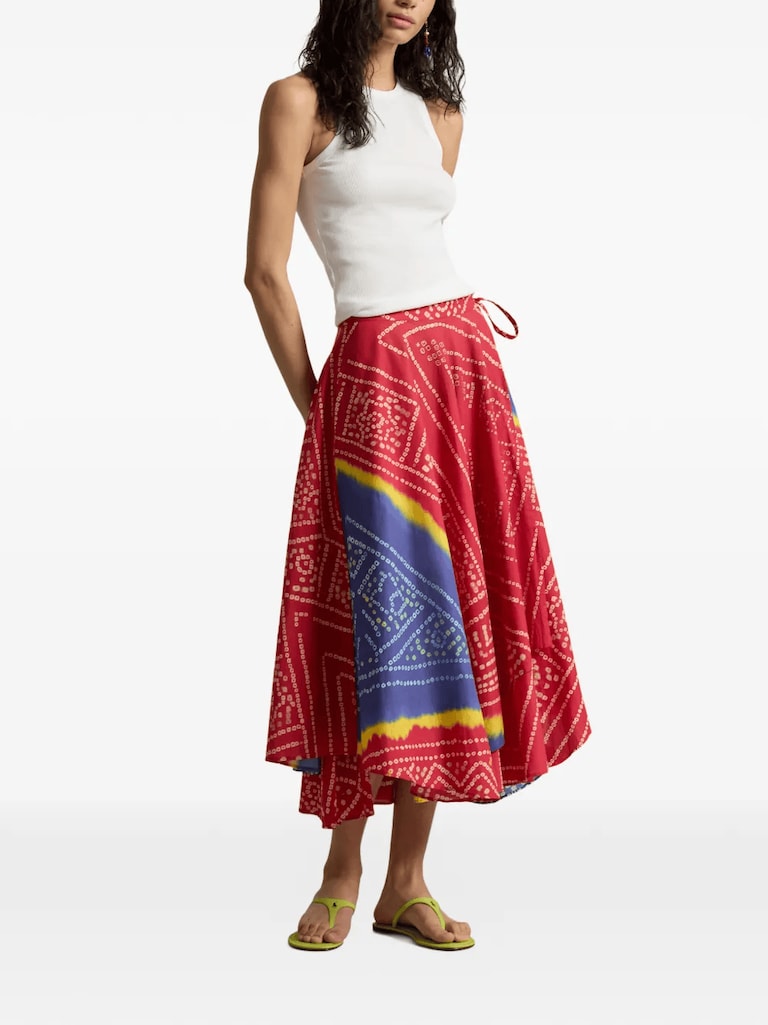
Image courtesy: Ralph Lauren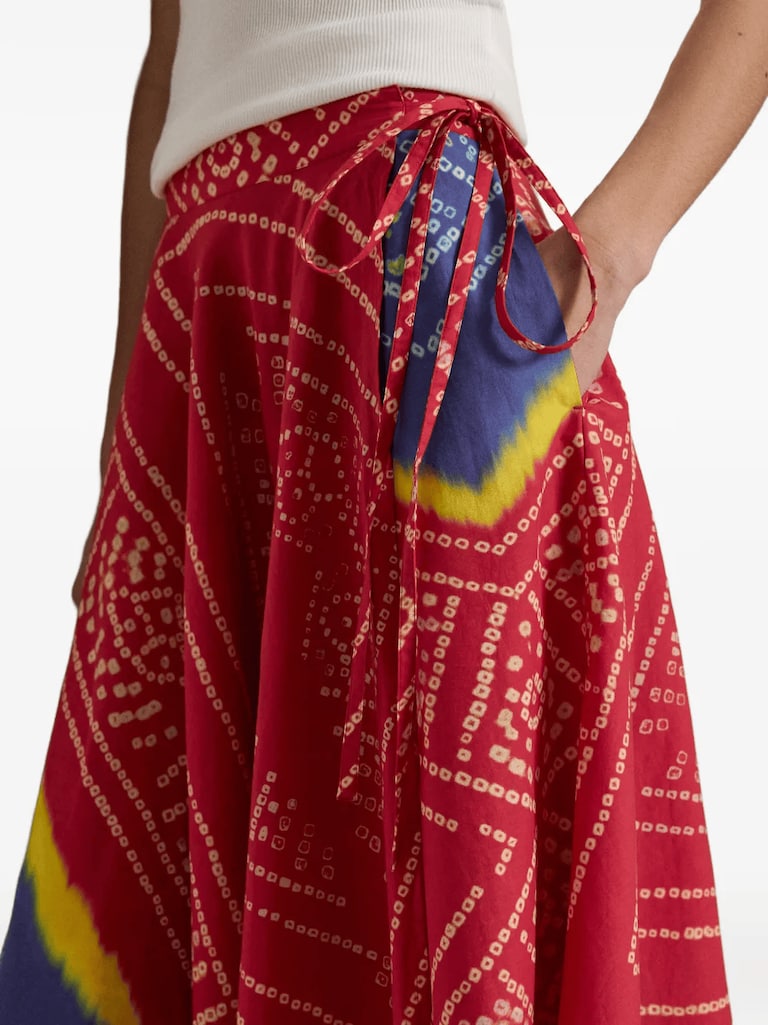
Image courtesy: Ralph Lauren
The recent controversy around Ralph Lauren and its Bandhani-inspired skirt isn’t just about a garment – it’s about memory, authorship, and who gets to tell the story of craft. The piece, priced at approximately ₹44,800, was described as being “inspired” by Bandhani. But what it failed to do was just as important – it didn’t clearly name India, its artisans, or the communities that have carried this craft across generations.
And that is where the discomfort in people began.
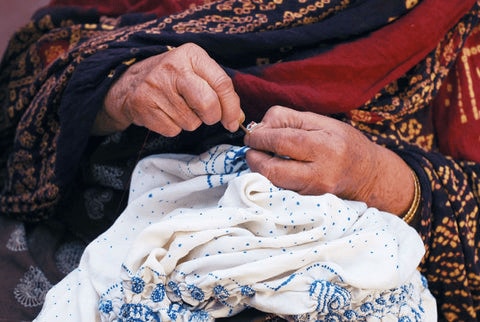
Bandhani is a process that takes time – sometimes months – of careful tying and dyeing, done entirely by hand. To see it translated into what appears to be a printed version raises a larger question. What is actually being sold here – the craft, or just its surface?
When something so deeply rooted in tradition is reduced to an aesthetic, it inevitably loses context. And when that version is sold at an exorbitant price point, without any clear acknowledgment of its origin – even when crafts like Kutch Bandhani hold GI recognition – it starts to feel less like inspiration and more like omission.

Image courtesy: Prada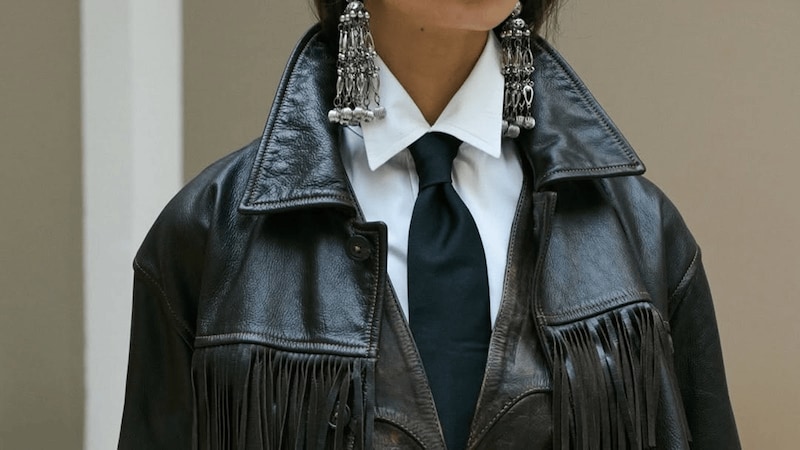
Image courtesy: Pinterest
This hasn’t happened for the first time.
From Kolhapuri-inspired footwear by brands like Prada to the recent “vintage jhumkas” seen on Ralph Lauren’s runway, the pattern repeats itself – Indian craft appears, but India itself disappears. And each time, the conversation circles back to the same question – Is inspiration enough, if it comes without credit?
Because luxury, at its core, is supposed to be about storytelling. About provenance. About knowing where something comes from and why it matters.

The Fall 2025 Couture Week Dior coat with mukaish embroidery / Dior
Dupatta as scandinavian scarf / Pinterest
So why does that storytelling stop short when it comes to India, or any culture for that matter?
Maybe because for the longest time it never needed to focus on it. The name on the label was enough. The logo carried the weight.
What needs to be understood is that the luxury market has evolved, and so have its consumers. The new generation buyers know better now, and they definitely have some expectations from these brands. Logomania doesn’t hold the same power it once did. Consumers are looking beyond the surface and asking deeper questions. Where is this from? Who made it? What am I actually paying for?
Because in a world that’s more connected than ever, information isn’t distant anymore. Craft isn’t anonymous. And culture isn’t something that can be borrowed quietly.
So the question isn’t whether luxury should draw from cultures like India. It always will.
The question is how.
If luxury is built on storytelling and inspiration, then it owes it to the craft, and the people behind it, to tell the story in full. Anything less doesn’t just dilute the craft. It diminishes the very idea of luxury itself.
Cover Image Courtesy: Akhil Pawar