


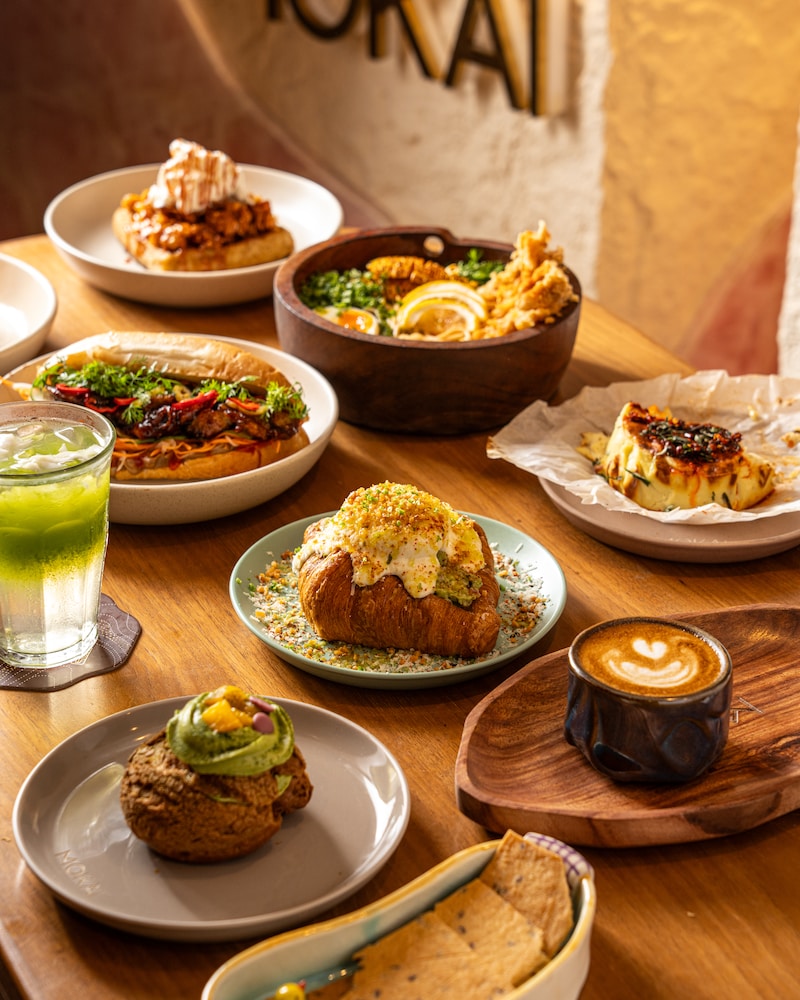
If you’ve been in Bandra and Mokai hasn’t crossed your radar yet, you might want to rethink your spots. The café has been steadily taking over Instagram feeds with its playful content, from influencer and celebrity collaborations to its own binge-worthy reel series that somehow keeps you hooked longer than you planned. Naturally, the hype got to me. And when I finally went, it lived up to everything I imagined, and more. The aesthetic corners make you want to linger far longer than planned, and the plates arrive looking almost too perfect to touch.
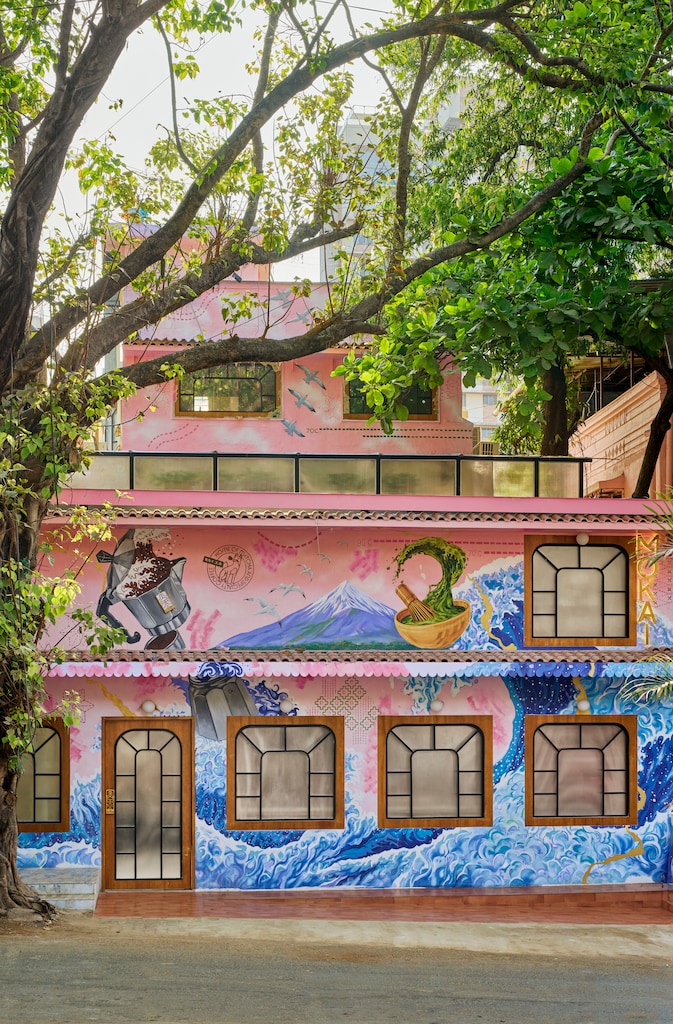
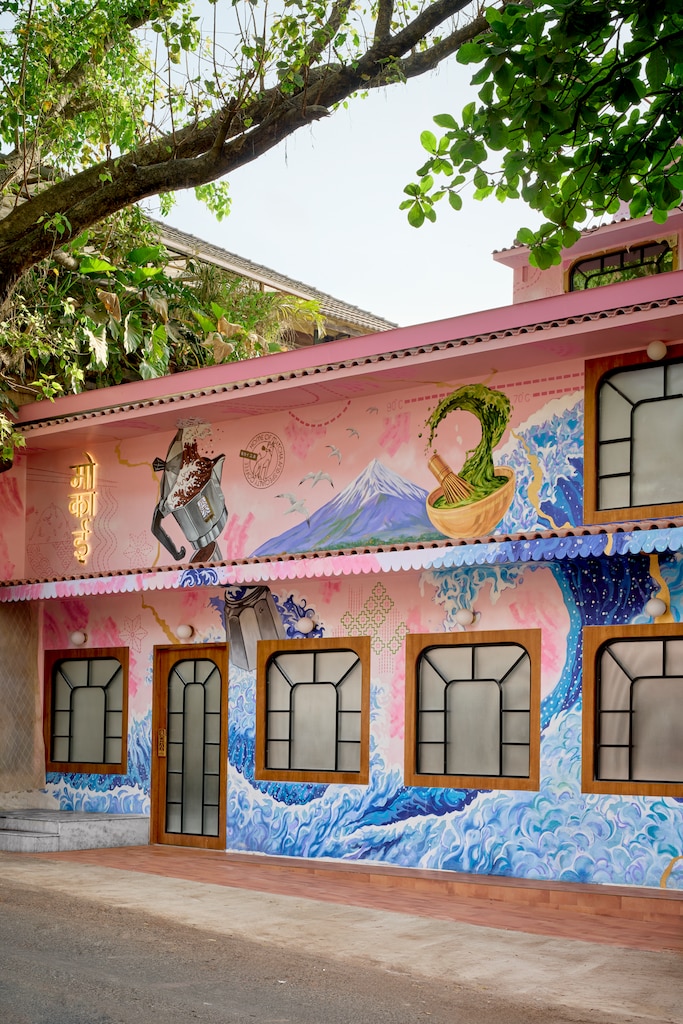
But Mokai was never just about how it looks. At its core is founder Karreena Bulchandani’s vision, which has always been rooted in how the space makes you feel. “From the very beginning, Mokai was never meant to feel transactional,” she says.
Instead, the idea was to create something softer. A slower version of your day. A space where you feel held, where small details reveal themselves, and where you leave carrying a quiet sense of calm.
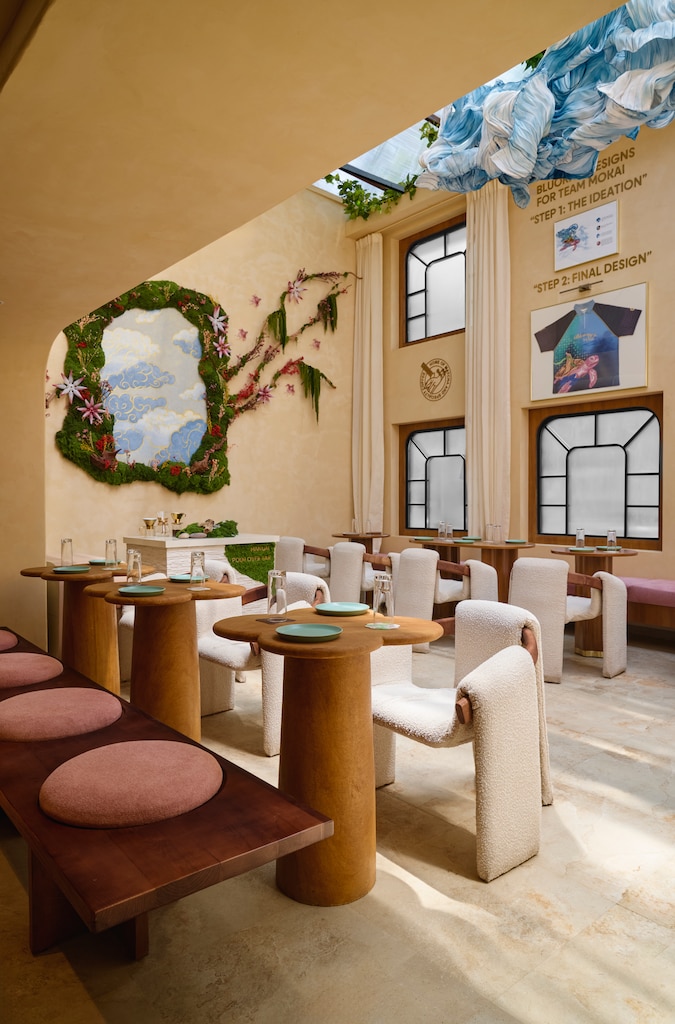
That idea now evolves further and comes into its own at Mokai’s new space. Tucked into the leafy lanes of Pali Hill, Mokai 2.0 feels less like an expansion and more like a natural progression. The mood is elevated, the experience more immersive, and the space feels more intentional, almost like it’s designed to be discovered slowly, in your own time.
That shift is deliberate. “The idea for the second Mokai came from wanting to move beyond just serving food and into shaping how people feel while they’re there,” Karreena explains.
At the first outlet, it became clear that people weren’t just coming for the menu; they were connecting with the mood and the experience. This time, that instinct has been taken further. Mokai 2.0 is designed as a series of moments rather than just a place to eat and leave, with each corner offering a new interaction or detail waiting to be discovered.
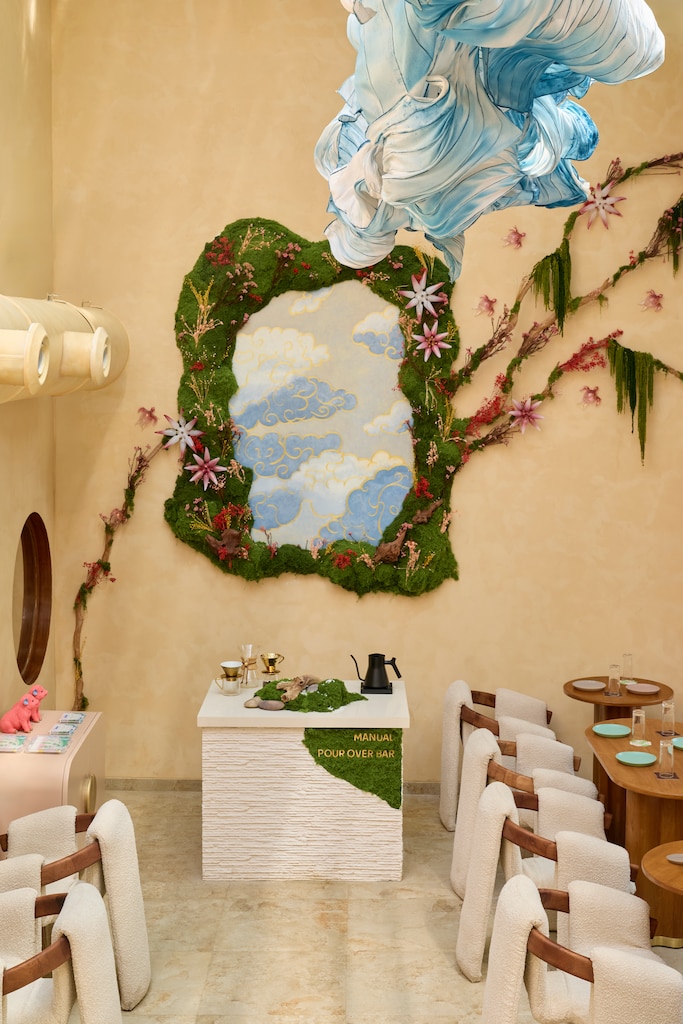
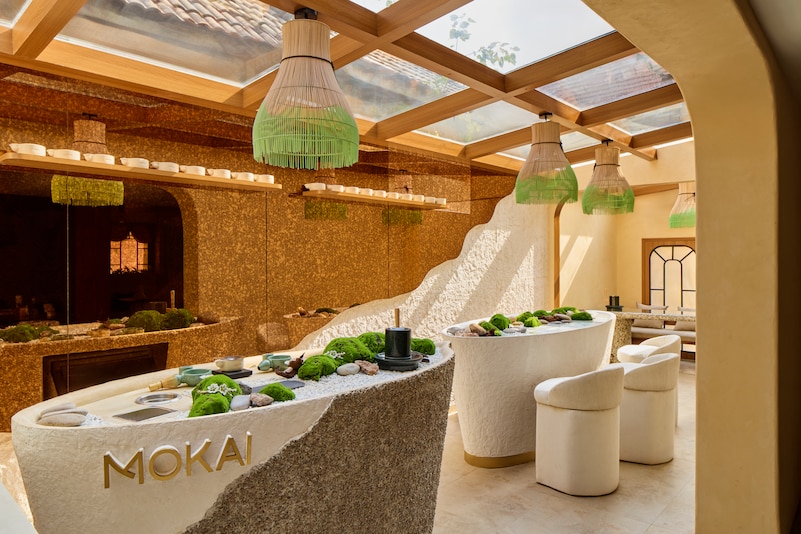
In a city like Mumbai, where everything moves fast, finding a moment to pause and simply exist is rare. Mokai gently leans into that. Whether it’s watching a pour-over unfold or taking the time to whisk your own matcha, these experiences go beyond the functional and into something more mindful. They make you slow down, even if just for a while. This was an intentional choice for the founder. “Designing for pause felt important because we felt the lack of it ourselves,” she says. “Those moments aren’t just functional, they’re intentional. They ask you to be present.”
Keeping that in mind, Mokai introduces elements that shift the experience entirely. “The ‘Breakfast in Bed’ concept, for instance, reimagines what a café can feel like. It came from the idea of comfort being the ultimate luxury,” Karreena says. “Cafés are usually social, slightly performative spaces, but we wanted to introduce something that felt personal and a little indulgent in a quiet way. It’s nostalgic, familiar, and disarming. It shifts the energy from going out to feeling at home, which is a rare crossover in café culture.”
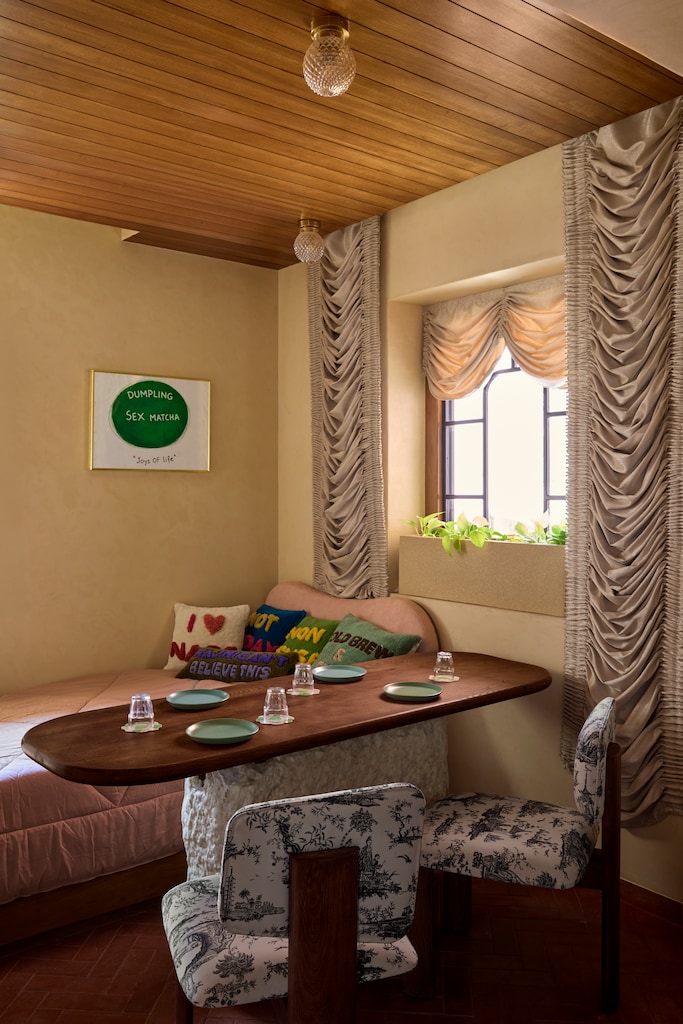
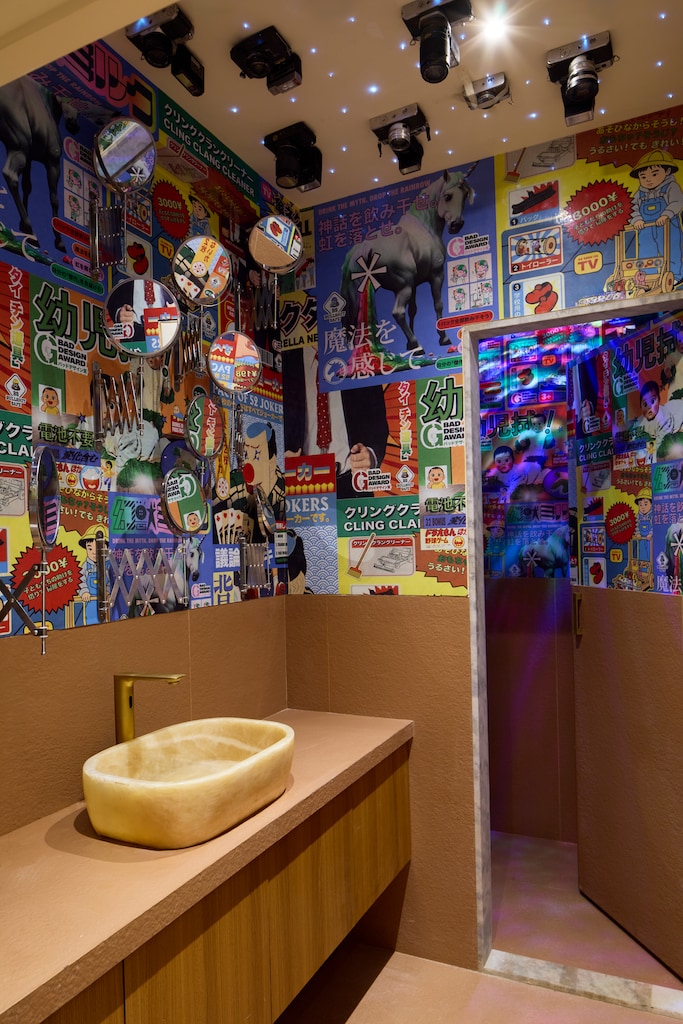
Picture this. Soft pillows printed with playful quotes, tables fitted with old-school telephones so you can call your barista to place or customise your order. It feels nostalgic, comforting, and just indulgent enough, gently blurring the line between stepping out and staying in.
That same thoughtfulness carries into Mokai’s approach to wellness. It’s subtle and seamlessly woven in, never overdone. “It wasn’t about being overtly wellness-focused,” she explains. “It’s about how things make you feel.”
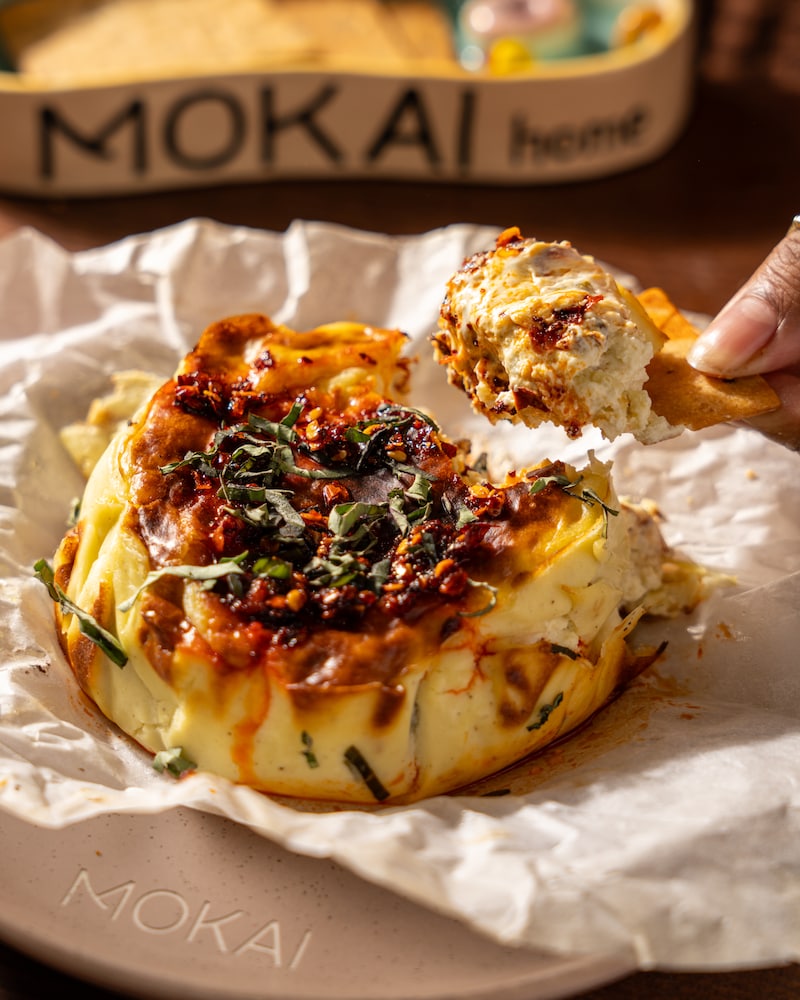
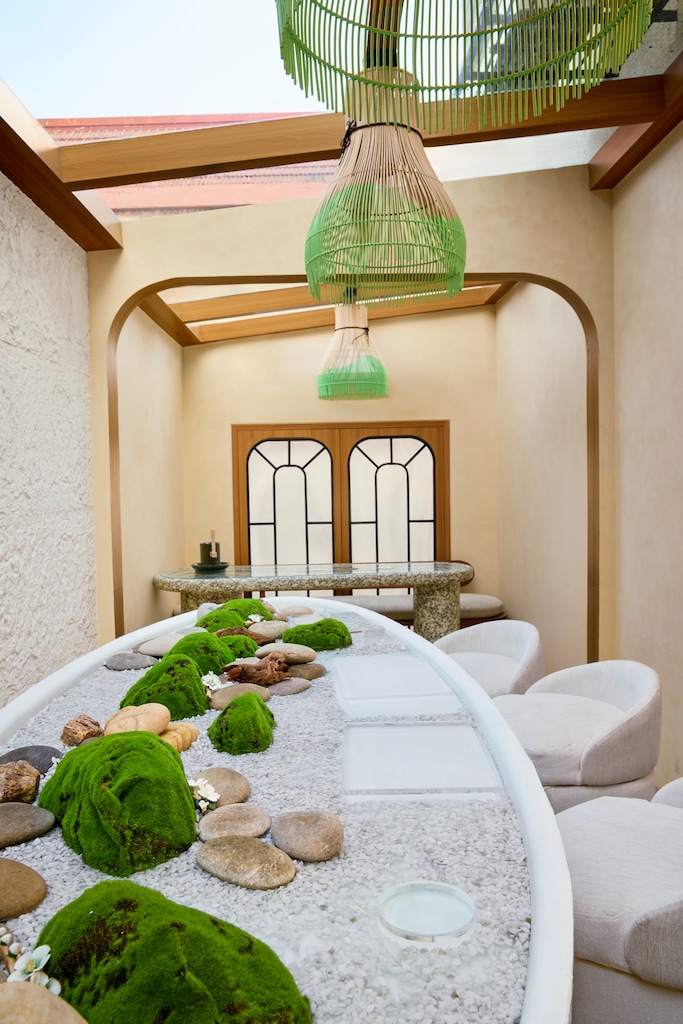
From ingredient choices to lighting, textures, and pacing, everything works quietly together in the background. Nothing feels forced, yet everything contributes to an environment where you naturally slow down and settle in.
If there’s one moment that captures Mokai best, it’s the matcha ritual. “It reflects everything we stand for, slowness, intention, participation, and sensory engagement,” she says. “It’s simple, but it asks you to be present.”
And if that hasn’t convinced you yet, you might just have to experience it for yourself. Her advice for first-timers is simple. “Don’t rush it. Try something interactive, notice the details, sit a little longer than you planned. That’s when it really unfolds.”

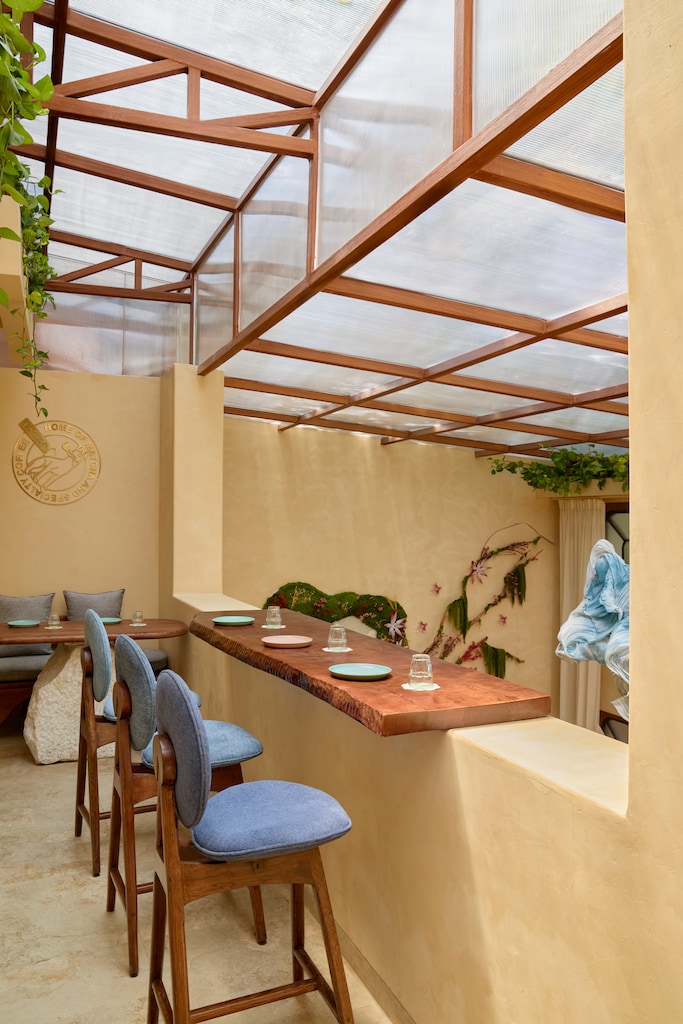
Looking ahead, Mokai already feels like it’s moving beyond the idea of a café. “It already sits somewhere between food, design, and well-being,” Karreena shares. “Whether that becomes retail, community experiences, or more immersive formats, the core will always stay the same – creating spaces people emotionally connect with.”
Because Mokai isn’t just a place you visit, it’s a space you experience – one that asks you to pause, stay a little longer, and let it unfold slowly, in its own time.