


Indian prêt-à-porter has evolved into a seamless blend of heritage and modernity, redefining the nation’s sartorial landscape. This story delves into the journey of ready-to-wear fashion in India, spotlighting the designers who have masterfully bridged tradition with their contemporary taste.
Prêt-à-porter, or ready-to-wear fashion, has charted a transformative journey in India, redefining the nation’s fashion identity by marrying traditional craftsmanship with contemporary aesthetics. Historically, Indian fashion was rooted in bespoke tailoring and artisanal excellence, with garments meticulously crafted to individual specifications. The late 1980s, however, marked the genesis of a paradigm shift spearheaded by visionary designers like Rohit Khosla.
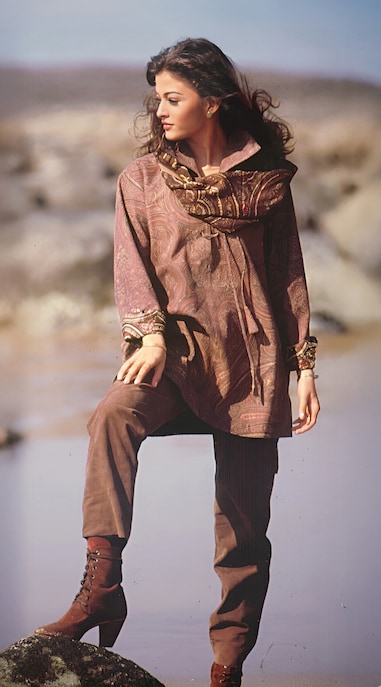
Credited as the pioneer of contemporary fashion in India, Khosla’s return from Kingston Polytechnic in London in 1986 heralded a new era. By 1987, his eponymous label debuted with avant-garde designs incorporating crinkled cotton and jute rope embroidery. His creations epitomised a harmonious confluence of modernity and tradition, setting the tone for a burgeoning ready-to-wear movement.
As India embraced economic liberalisation in the 1990s and global influences began permeating its cultural fabric, prêt fashion gained traction among an emerging class of style-conscious urbanites. Designers such as Ritu Kumar, Rina Dhaka, and Wendell Rodricks emerged as trailblazers.
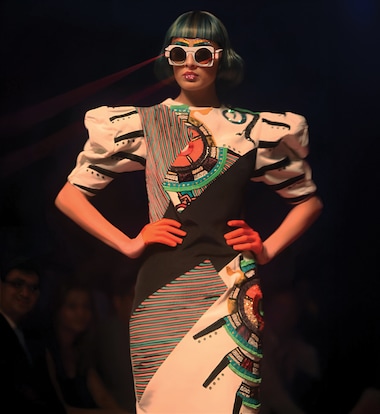
Ritu Kumar infused her prêt collections with the soul of Indian craftsmanship, utilising hand-block prints and intricate embroidery to create versatile ensembles. Rina Dhaka’s fearless experimentation with bold cuts and unconventional fabrics brought a contemporary edge to prêt collections. Wendell Rodricks, with his minimalist aesthetic inspired by Goa’s serene landscapes, introduced designs that celebrated understated elegance.
The turn of the millennium witnessed the institutionalisation of prêt fashion in India. Lakmē Fashion Week, launched in 1999, became a pivotal platform for prêt designers, enabling them to showcase collections to both domestic and international audiences.
Abraham & Thakore led this evolution, crafting ready-to-wear lines that blended traditional techniques with new-age designs, characterised by clean lines and understated sophistication, appealing to cosmopolitan sensibilities.

Simultaneously, Sabyasachi Mukherjee began captivating audiences with his diffusion lines. Renowned for his opulent bridal couture, Sabyasachi skillfully translated the essence of his aesthetic into prêt collections, incorporating handwoven textiles and artisanal techniques into designs that were both luxurious and accessible.
The 2010s marked a period of diversification and innovation in Indian prêt. Designers like Manish Malhotra, Anita Dongre, and Masaba Gupta introduced distinct narratives to RTW fashion.
In the present decade, Indian prêt has reached a crescendo, characterised by sustainability, inclusivity, and global appeal. Sabyasachi Mukherjee’s collaboration with H&M brought Indian textiles to
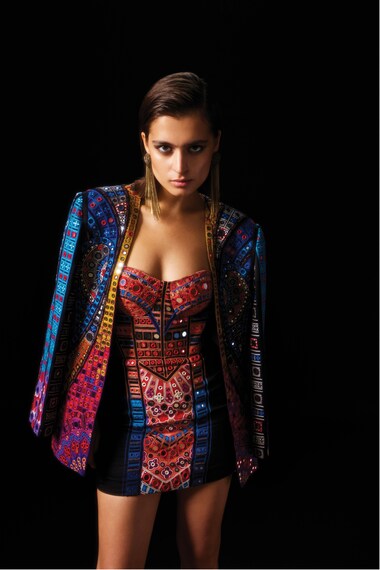
a worldwide audience, while Abraham & Thakore’s gender-neutral fashion at Lakmē Fashion Week showcased the industry’s progressive approach. Amit Aggarwal’s recent collections exemplify this ethos, utilising recycled materials to create futuristic designs that honour traditional craftsmanship.
Today, prêt fashion in India continues to thrive, reflecting a smooth interplay of heritage and innovation, with designers redefining contemporary wear while staying rooted in tradition. For instance, Rajdeep Ranawat’s collections are a testament to intricate craftsmanship, featuring hand-painted motifs and luxurious fabrics, while Payal Singhal’s designs are playful, featuring bold prints and lightweight fabrics. Aseem Kapoor’s approach is deeply artisanal – his prêt line celebrates heritage textiles while reimagining them in contemporary forms, meanwhile, Sureena Chowdhri has carved a niche for enduring classics.
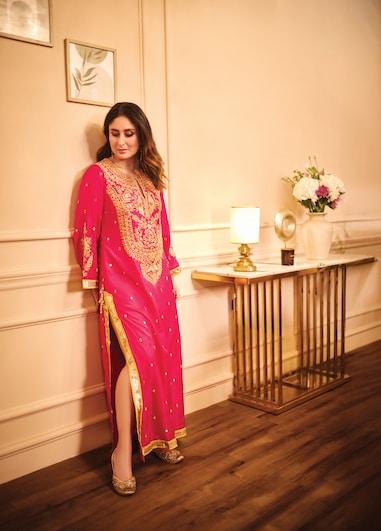
Together, these designers are shaping a prêt landscape that is as dynamic as it is rooted. From Rohit Khosla’s pioneering designs to today’s dynamic landscape shaped by innovative designers, the journey of Indian prêt-à-porter reflects the country’s ability to balance its culturally rich sartorial heritage with contemporary demands.