


In harmony with art, architecture and culture, the history of India are abundant with heritage textiles that native craft clusters have practised and preserved through generations. While the handloom industry has nurtured these antiquated crafts, Indian designers have given it a centre stage with new-age interpretations. The evergreen hand block print, tie and dye patterns, and kalamkari art have a flair to make any creation a collectable. Here’s a lowdown on the history of prints indigenous to Indian roots and their revival in present-day fashion.
Printing with carved wooden blocks that thrived during the Mughal era in India traces its origin back to the Indus Valley Civilisation. The three-block printing techniques— Ajrakh, Dabu and Bagru are recognised as the artisanal heritage of Rajasthan and Gujarat. The Chinese skill of screen printing using woven mesh stencils has also been honed by these native artisans for decades.
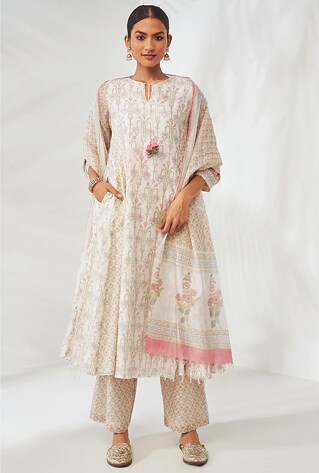
Anita Dongre Grassroot 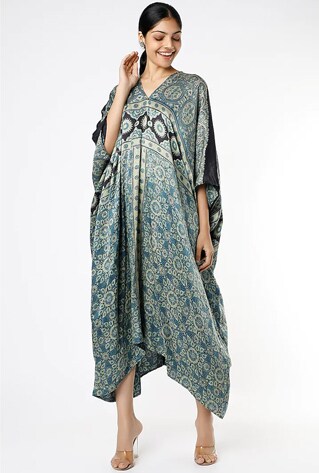
Alpa & Reena
Grassroot by Anita Dongre has a sustainable approach for storing the originality of the ancient hand block printing process. The eye-pleasing block printed Dabu, Ajrakh and screen-printed patterns are seen on fuss-free kurtas that boast year-round versatility. Alpa & Reena preserve the artisanal beauty of Ajrakh print enhancing light kurta and tunic sets, serving perfect looks for intimate festivities.
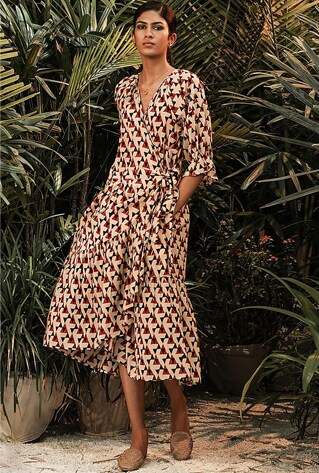
Kharakapas 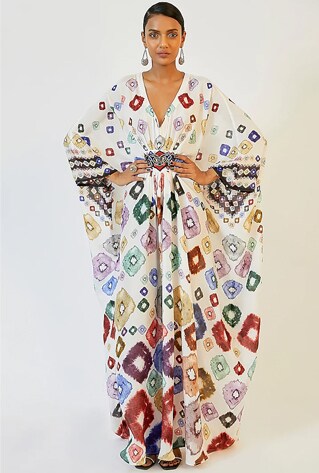
Rajdeep Ranawat
Khara Kapas integrates the traditional Bagru prints in fuss-free casual silhouettes. Rajdeep Ranawat is known for reprising the Bandhani pattern digitally with azo-free inks, thus storing the sustainable significance and defining the collection’s gypsy DNA, both at once.
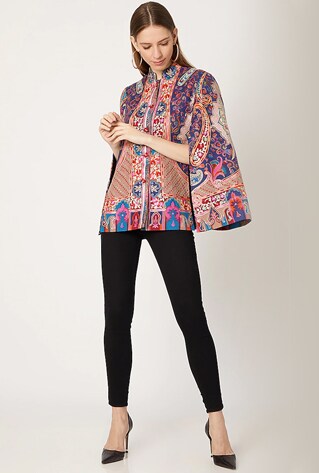
Neiza Shawl 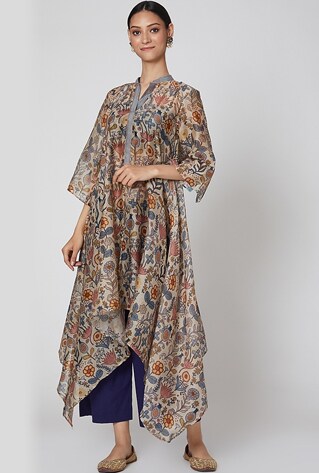
Ilapti
The heritage of Andhra Pradesh, the art of drawing with a pen—Kalamkari displays mythological epics, Persian art and nature-inspired motifs on traditional attire.
Classic meets contemporary in Ilapti’s Kalamkari reprising collection of easy-breezy tunics. With a mix of authentic floral motifs and artfully painted paisley, the Neiza Shawls offer cape, jackets ornate with Kalamkari art to resonate with modern style sensibilities.
With a history of about 5000 years ago, the kaleidoscopic art of tie & dye techniques has been preserved for generations. Bandhani patterned pant sarees and dupattas have been kept by women as a treasurable keepsake in the heirloom.
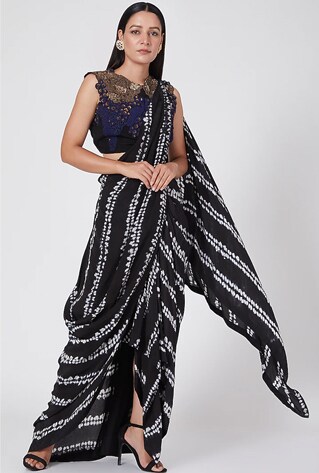
Nupur Kanoi 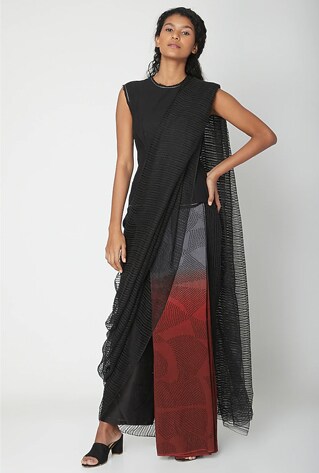
Urvashi Kaur
Nupur Kanoi places shibori-dyed patterns strategically on experimental cuts offering exquisite pieces that are particularly practical. From anti-fit silhouettes to handsfree saris, the novelty creations by Urvashi Kaur showcase an uber-cool way to wear the classic shibori dye.
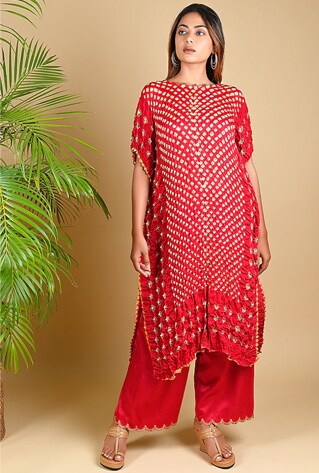
Dyelogue 
Tuna X Sonam Luthria
Dyelogue builds its signature style with classic connotations of the bandhani pattern reprised in ‘It’ silhouettes like kaftan and lounge sets for an offbeat spin. Tuna X Sonam Luthria gives the classic tie and dye craft an urban facelift with loungewear pairings.


