


After years of fashion leaning into louder silhouettes, sharper edges, and statement-making, a softer cultural shift is unfolding. Poetcore emerges not as a fleeting aesthetic but as someone who values introspective behaviour over impact and feeling.
According to Pinterest Predict, Poetcore is set to rise as younger audiences gravitate toward aesthetics that prioritise emotion and storytelling over validation. Searches around poetic dressing and romantic intellectualism point to a collective desire for self-expression. In an era shaped by constant performance, Poetcore reflects a move toward softness that resonates deeply across digital and physical spaces alike..
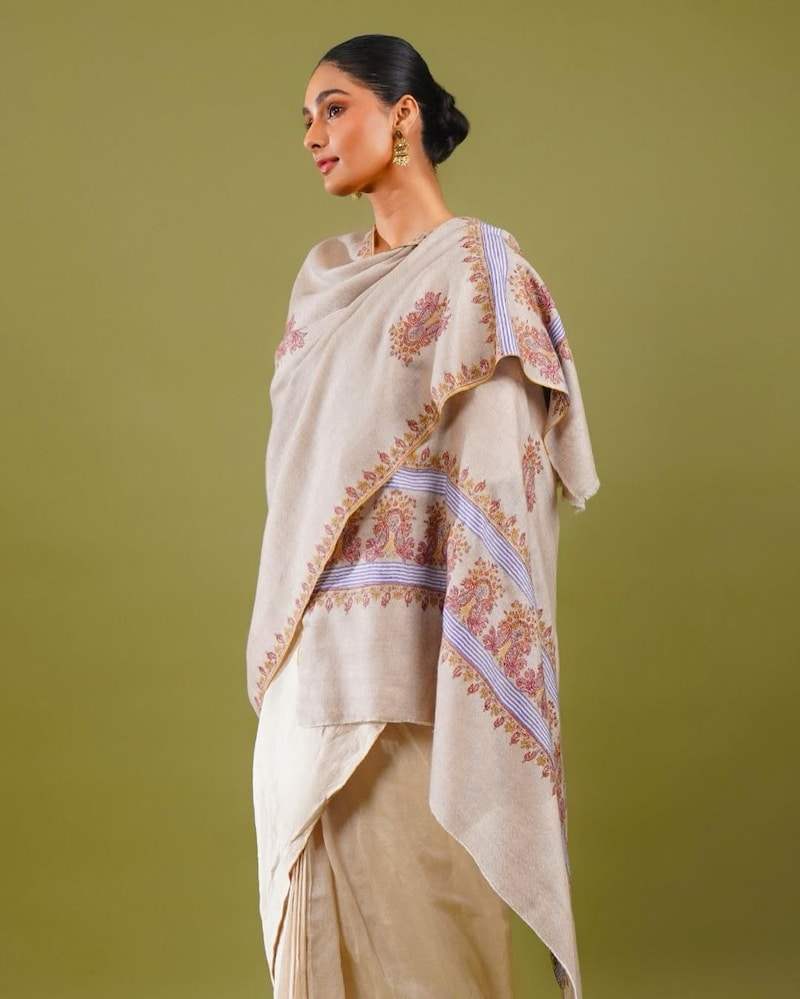
Image Courtesy: Shaza / Instagram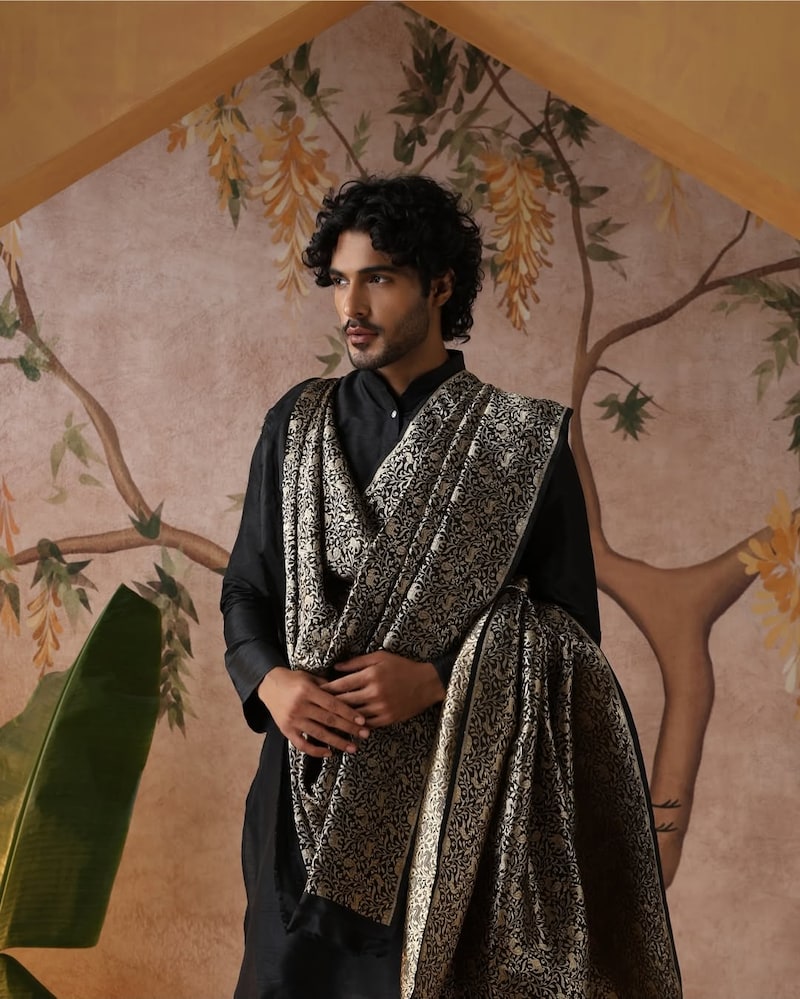
Image Courtesy: Khinkhwab – Essence of Banaras / Instagram
At its core, Poetcore is deeply literary. It romanticises the image of being philosophically lost – scribbling thoughts with a fountain pen, reading under low light, or spending hours in libraries and quiet corners. There’s an intimacy to it, inspired by plants that thrive with care and time, and by clothing layers gently rather than demanding attention. The silhouettes feel reflective and mood contemplative.
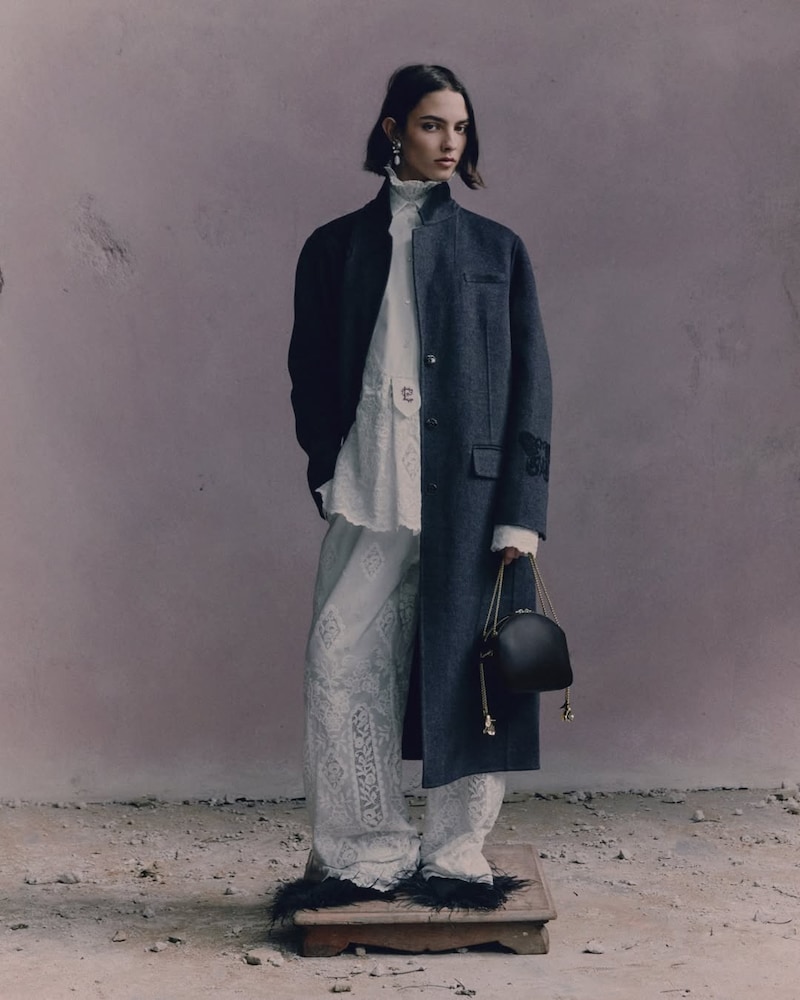
Image courtesy: Erdem / Instagram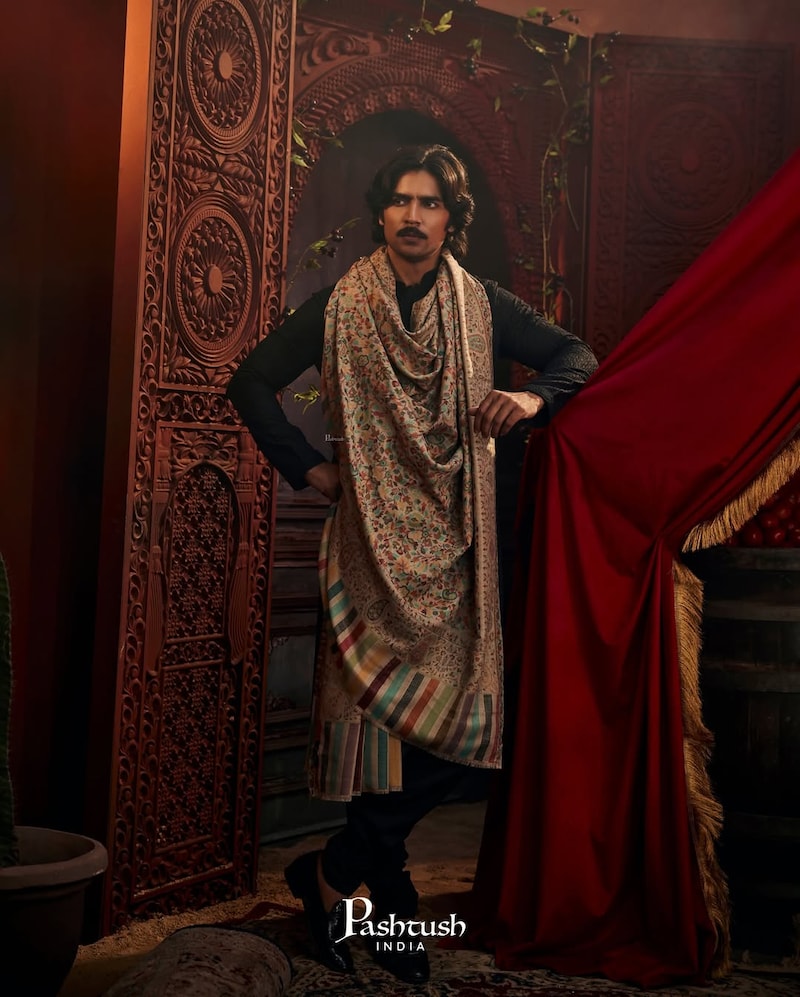
Image courtesy: Pashtush / Instagram
Unlike minimalism, Poetcore does not aim to be sturdy. Instead, it celebrates natural beauty with personality. There is softness, but never emptiness. Each piece feels intentional, expressive, and quietly confident.
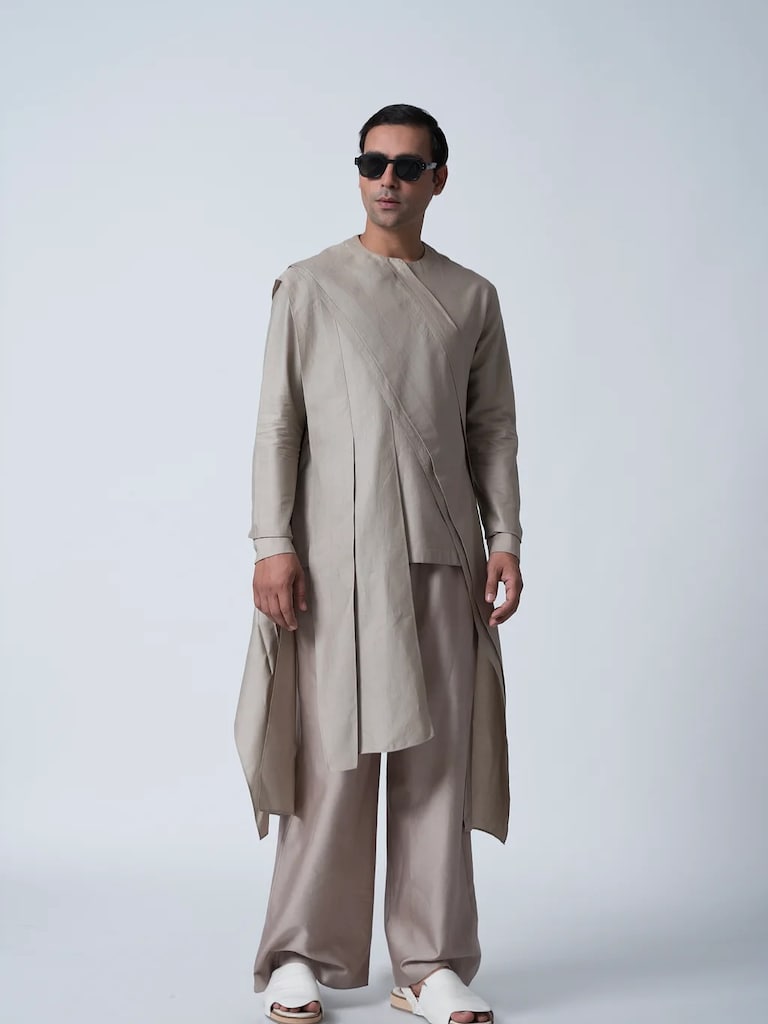
Image courtesy: Antar Agni / Instagram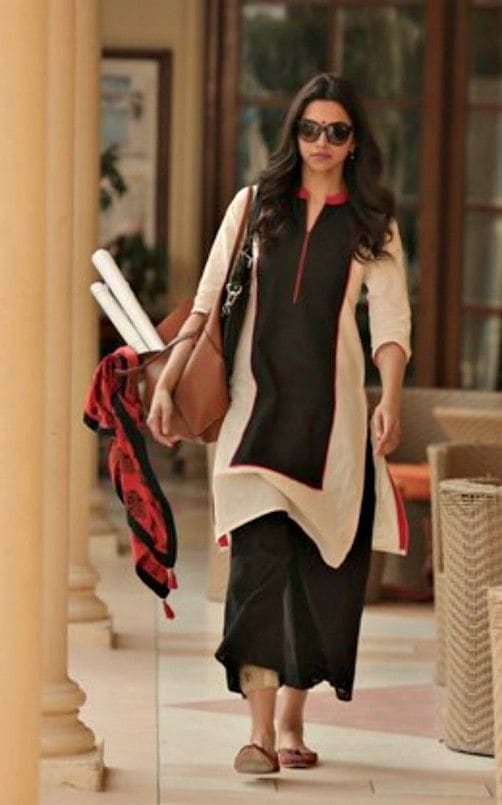
Deepika Padukone in Piku
The aesthetic finds a natural home in India as well, where Poetcore aligns effortlessly with existing cultural sensibilities. Indian interpretations of Poetcore lean into handwoven fabrics, breathable cottons, mulmul, and linen, which already carry history and emotional weight. Flowy kurtas layered with shawls, Nehru jackets, or sarees worn with understated blazers reflect a uniquely Indian poetic elegance. Earthy tones with mud browns, off-whites and olive further ground the look in tradition while keeping it contemporary.
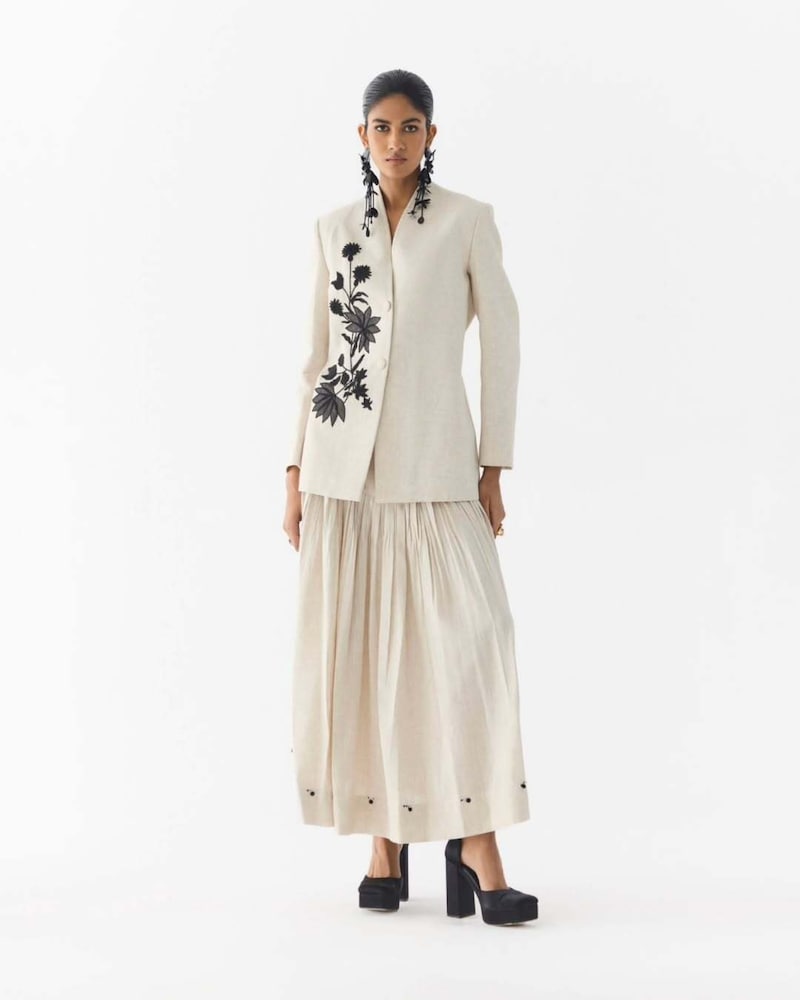
Image courtesy: Studio Rigu / Instagram
It’s no surprise that Poetcore resonates deeply with Gen Z and Millennials, especially those drawn to storytelling, creativity, and emotional expression. Films like Dead Poets Society continue to shape this visual language – blazers paired with skirts, oversized coats layered over simply separates the outfits that feel like extensions of the character wearing them rather than costumes.
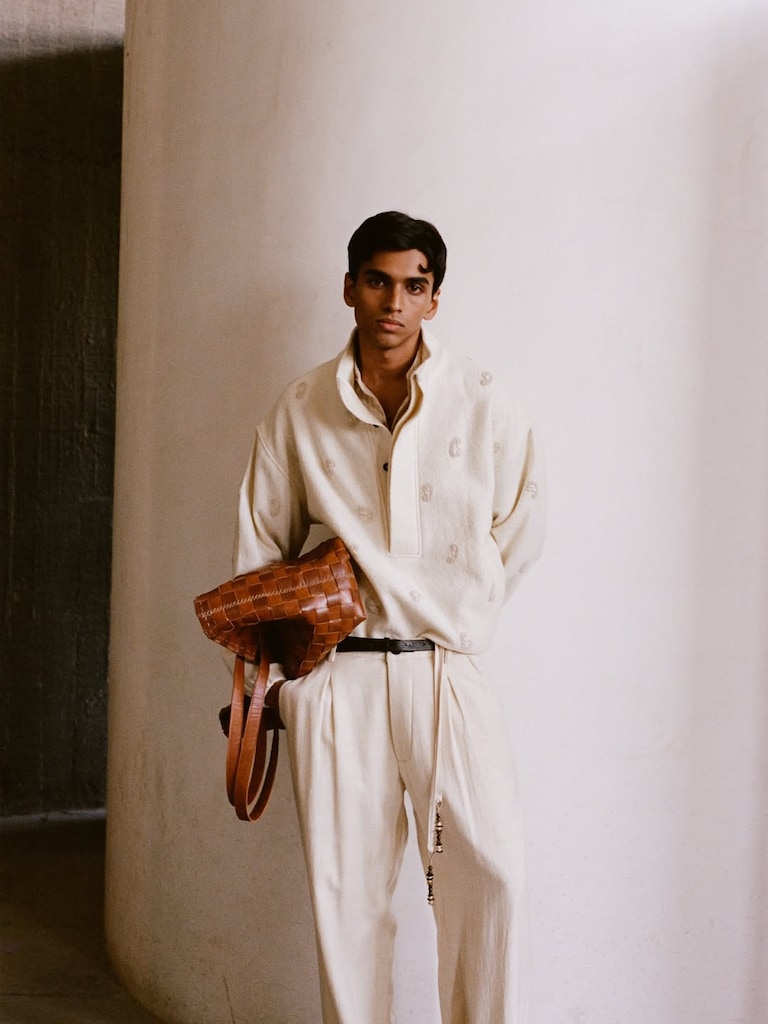
Image Courtesy: Kartik Research / Instagram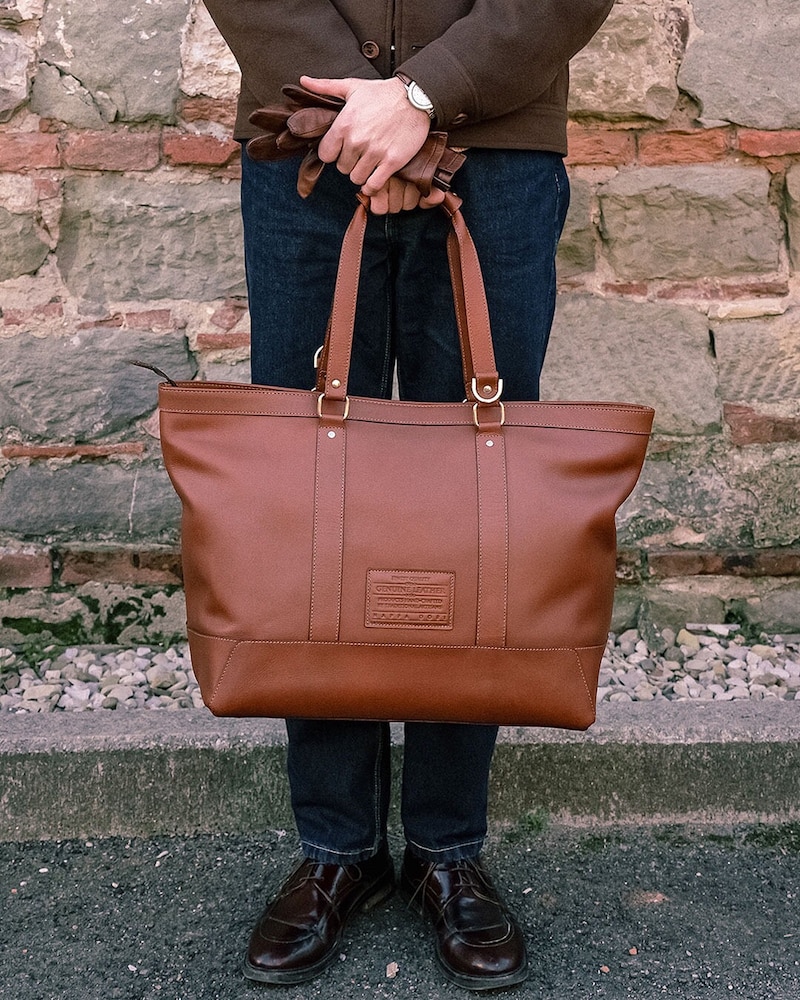
Image Courtesy: Nappa Dori / Instagram
Fabric choices further define the aesthetic. Cotton voile, linen, silk blends, and washed wool create comfort that feels honest and grounding. Subtle embroidery, covered buttons, relaxed tailoring, and oversized outerwear complete the look. Accessories are thoughtful rather than decorative; a tie and a scarf would often hint at what can be described as “soft intelligence.”
Satchel bags have also found relevance within recent trends. Often associated with writers and travellers, they embody romance while carrying books, letters, and everyday essentials, becoming more of a companion than a fashion statement.
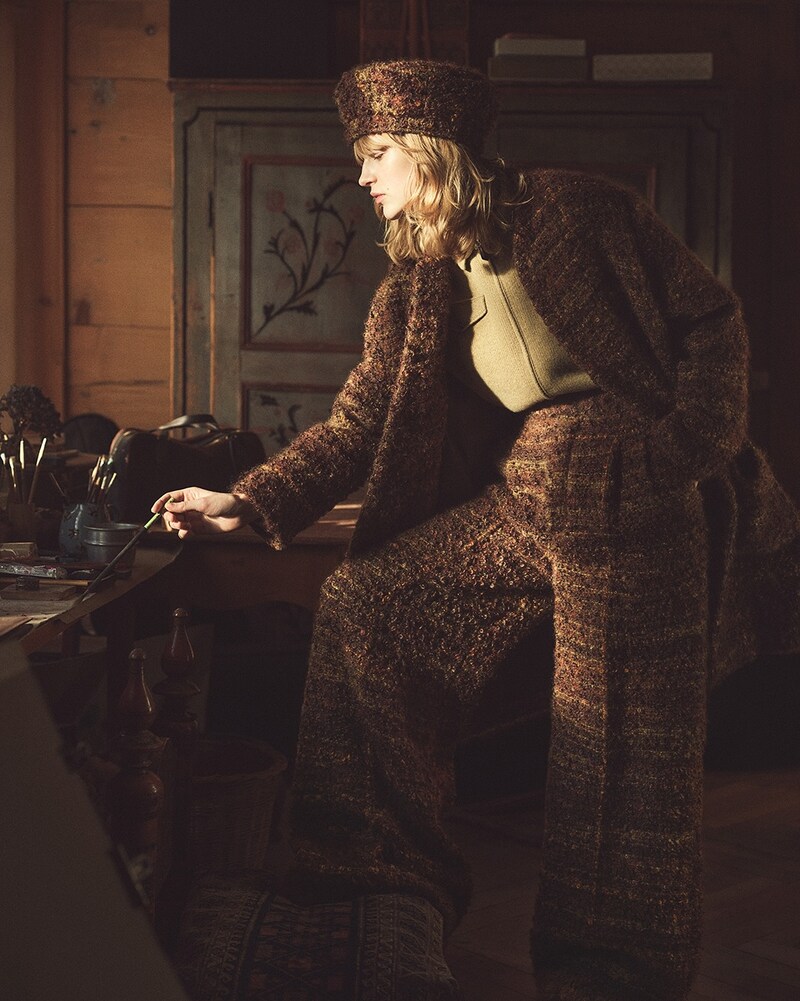
Image Courtesy: Loro Piana / Instagram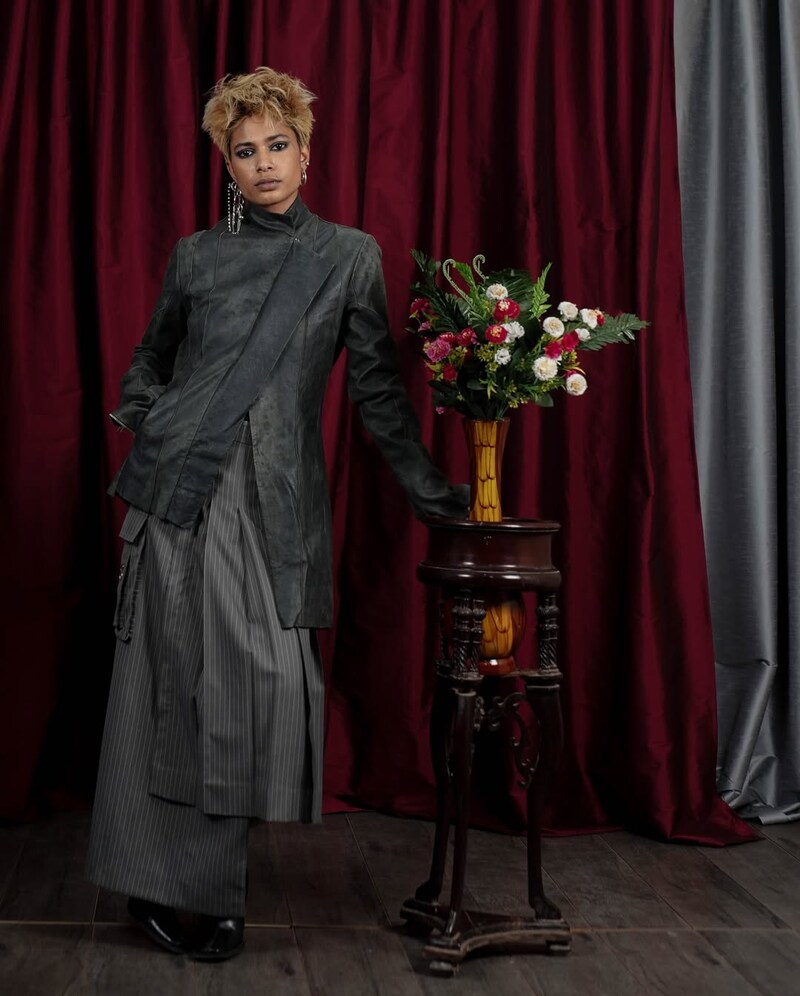
Image courtesy: Rishta by Arjun Saluja / Instagram
Poetcore resists the idea of dressing up to perform. It’s not cosplay, nor is it an enactment of a role. Unlike Cottagecore, which leans into fantasy and escapism, Poetcore exists comfortably in the real world. These are clothes you can wear to class, to work, to dinner without feeling like you’re playing a character.
More than a fashion trend, Poetcore reflects a lifestyle shift. In a time dominated by speed and attention, this is rooted in elegance, softness, and emotion. It is valuing clothes that feel lived in, one that holds memories, and allows room for thoughts. As trends continue to occur, poetcore stands differently, reminding us that fashion can be different, quiet, and deeply personal.