


At Lakmē Fashion Week Spring/Summer 2026, fashion resisted its own instinct for spectacle. There was no urgency to provoke and no desire to overwhelm the runway. Instead, the ramp recalibrated toward a more deliberate expression of style where fashion felt more natural, grounded, and real – like something that belongs in our everyday lives rather than just on a stage.
What emerged was not a season of extremes, but of exactitude. Ease, tactility, and a certain intellectual temperateness defined collections that seemed acutely aware of how clothes are actually lived in today – across geographies, climates, and increasingly fluid identities. This was not simply minimalism or maximalism masquerading as control. There was no attempt to manufacture simplicity or exaggerate drama. Instead, every detail from a brooch to a hemline to the weave itself felt considered rather than contrived.
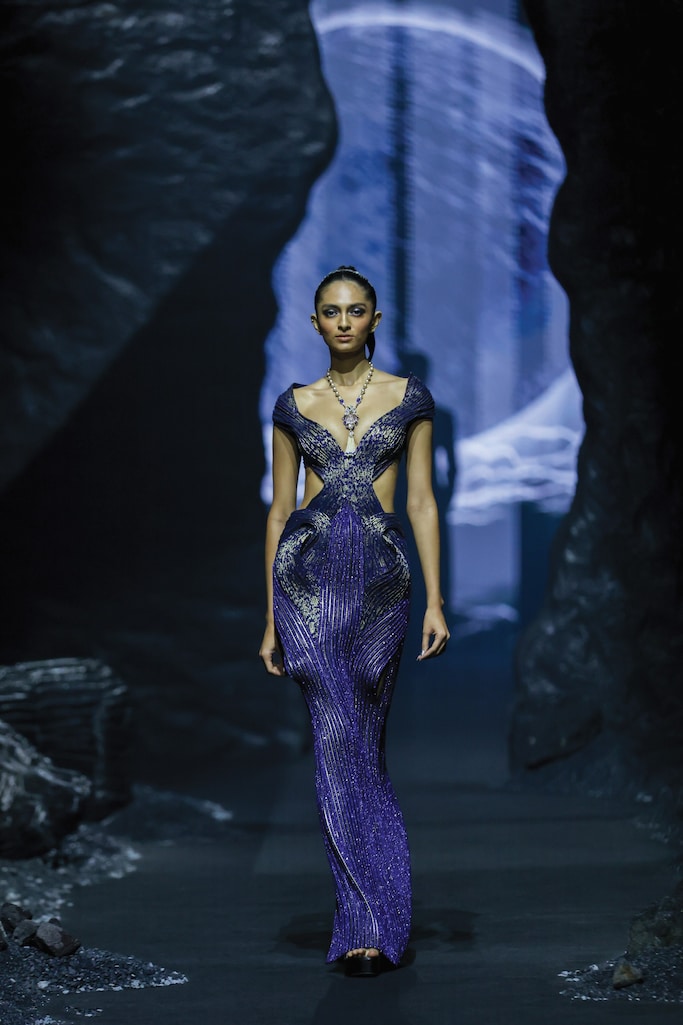
Denim for instance, shed its utilitarian past to become something almost introspective. It no longer asserted durability but a sense of familiarity like something worn and shaped over time. Softened washes, reworked seams, and silhouettes that drifted away from rigidity turned the fabric into a medium of narrative rather than function. That it appeared across categories – resort, occasion, everyday – only reinforced its new role as a material that adapts, rather than dictates.
Perhaps the most telling indicator of the season’s mood, however, lay in its colour story. Blue and white, hardly groundbreaking if you think of it, felt newly relevant precisely because of their familiarity. Stripped of nautical sailor stripes or predictable beach clichés, the pairing appeared across collections with a fresh and quiet authority – in tailoring, in denim, in eveningwear.
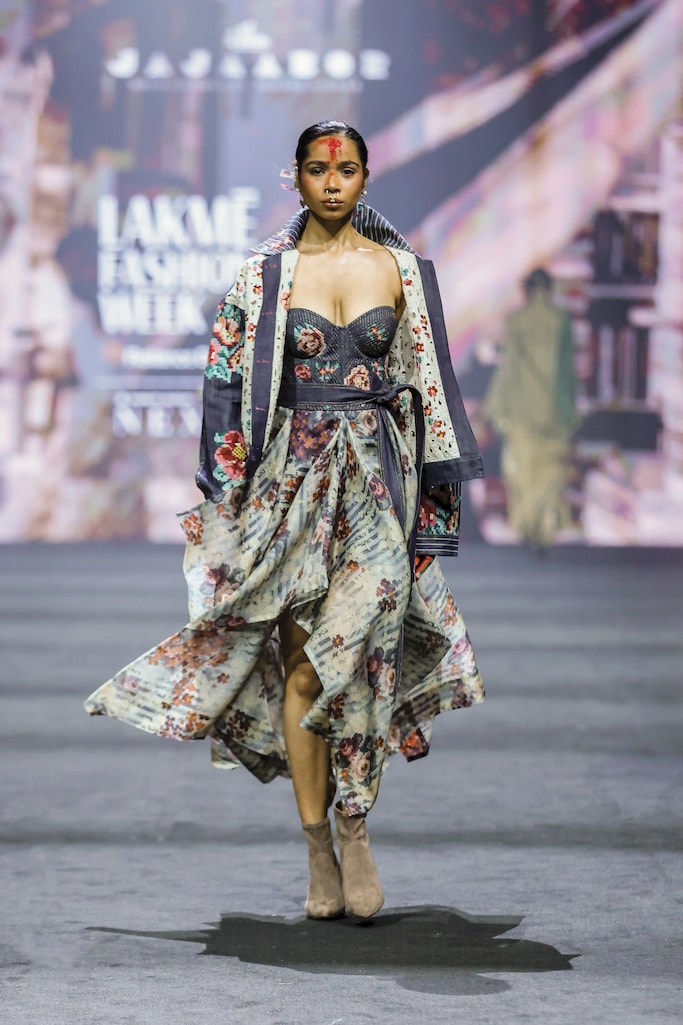
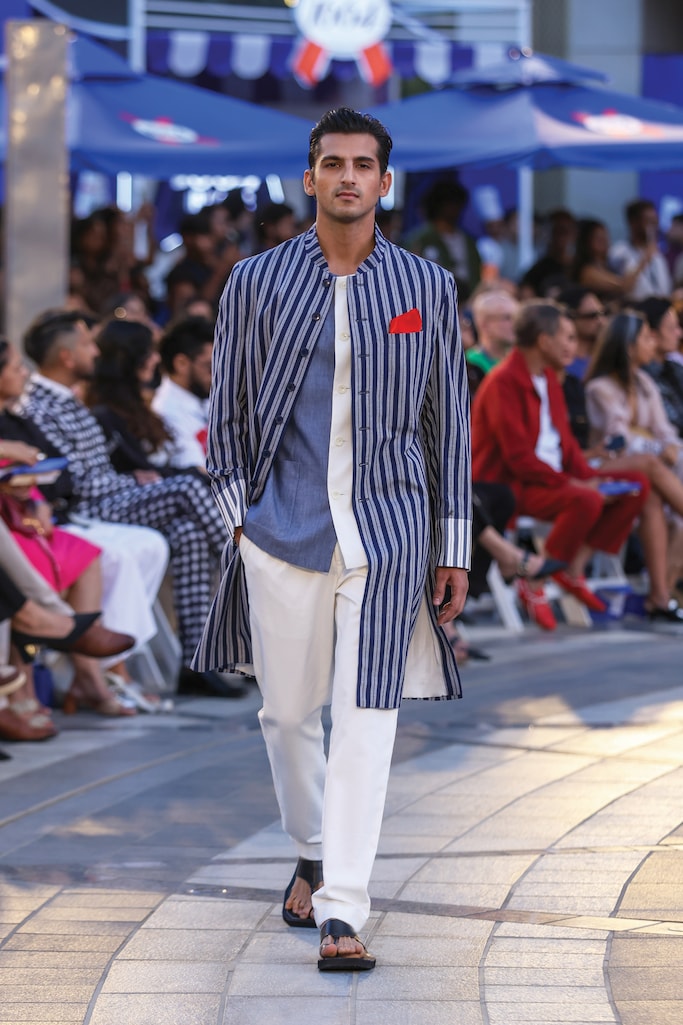
Nowhere was this philosophy more evident than in the evolution of resort wear. Long associated with escapism, it was reframed here as a mode of dressing that prioritises adaptability over fantasy. Kaftans were architectural, co-ords softly tailored, layers modular. These were garments designed not for a singular destination, but for a continuum of movement – between work and leisure, city and coast, obligation and ease. The notion of “out-of-office” itself felt less like departure and more like a mindset.
Layering too, followed this logic. In a season defined by heat, the idea of jackets might seem counterintuitive, yet they appeared everywhere, reimagined as gestures and interests rather than necessities. Featherlight fabrics, open constructions, and softened tailoring allowed them to exist as extensions of styling rather than protection.
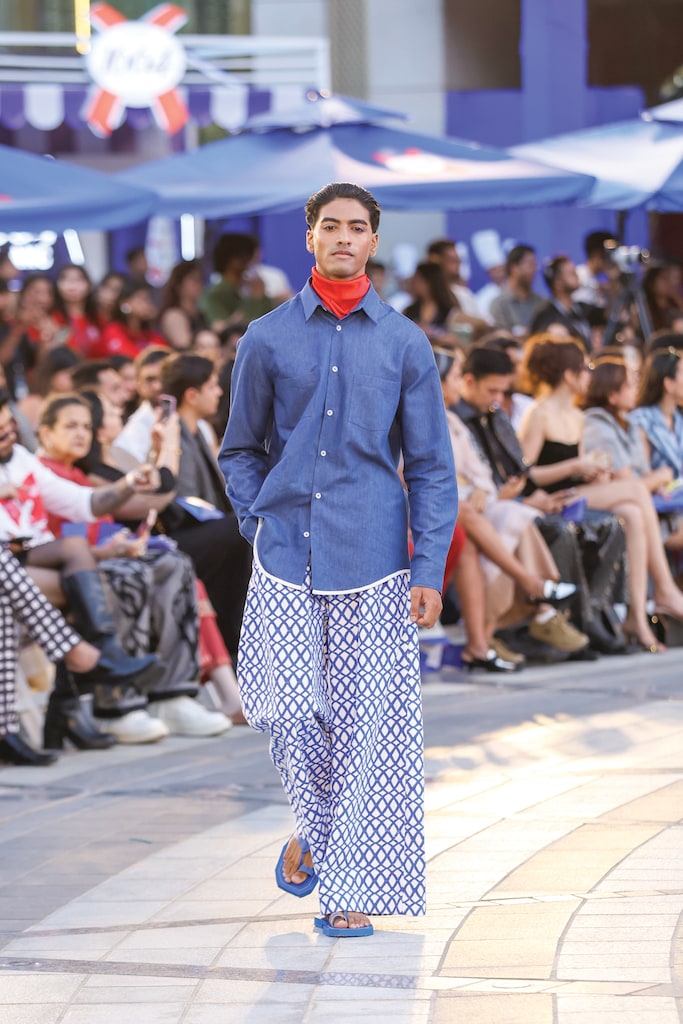
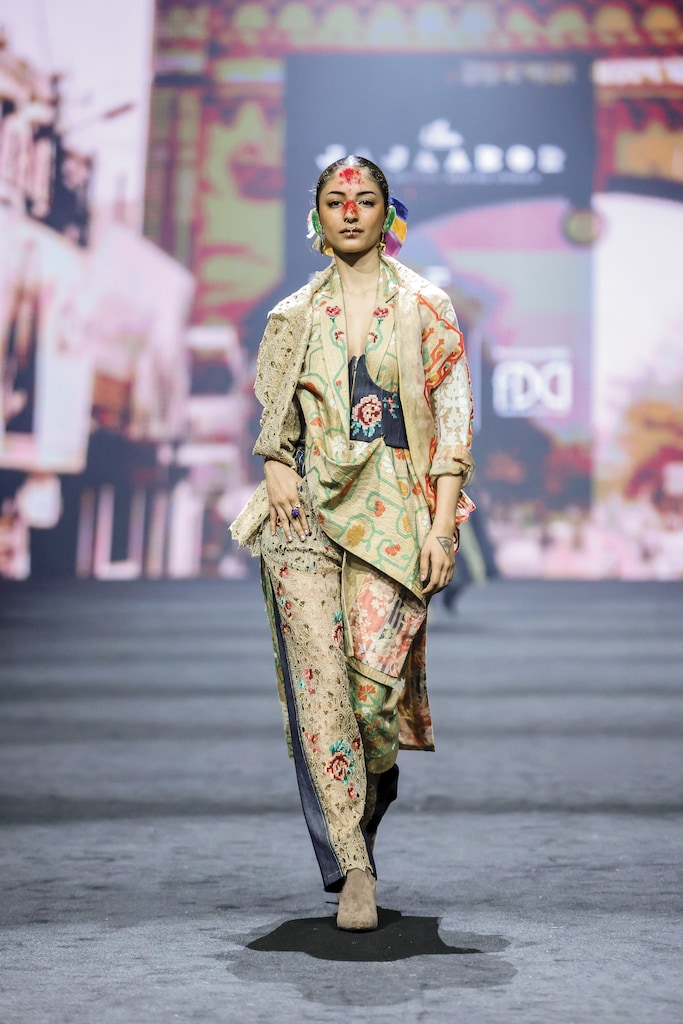
Even when fashion leaned into embellishment, it did so with balance. Fringe, for instance, moved away from its bohemian excess into something more thoughtful. It traced garments with intention, introducing movement without chaos. There was a subtle, and controlled choreography to it which aligned with the season’s broader emphasis on fluidity.
Menswear often slower to evolve, felt particularly resolved this season. The shift toward relaxed silhouettes was neither reactionary nor trend-driven; it was inevitable. Designers seemed sure of what they were doing and why. Wide trousers, softened jackets, and draped elements spoke to a wardrobe that acknowledges comfort without relinquishing design. Crucially, it also signalled a departure from the reductive binaries that have long defined men’s fashion. What replaced them was something far more nuanced: clothing that is at once rooted and global, intentional and well-designed.
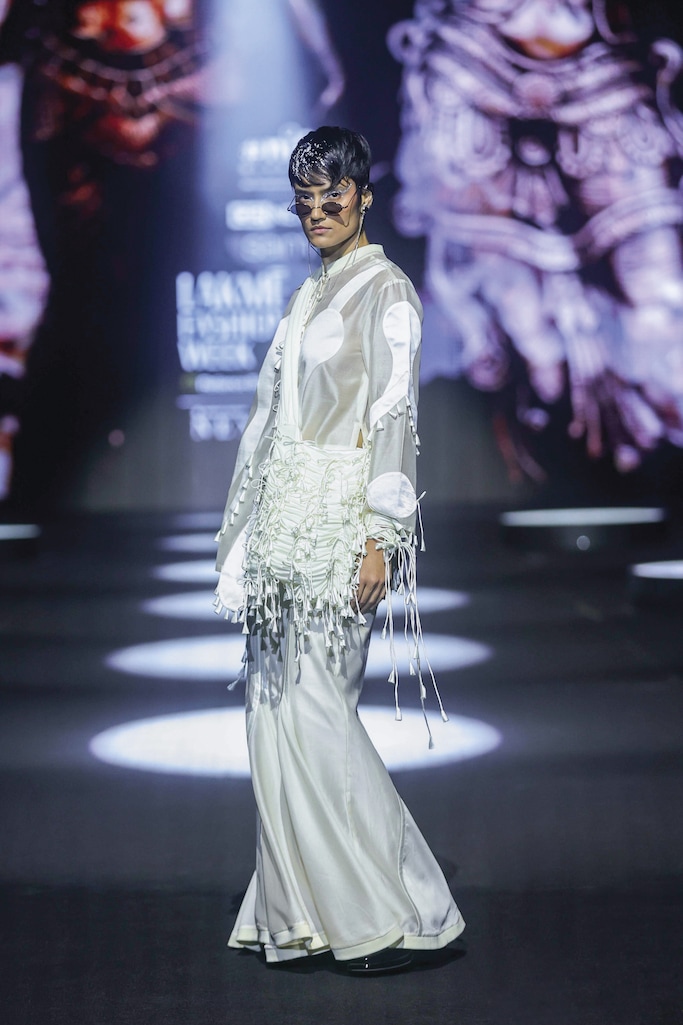
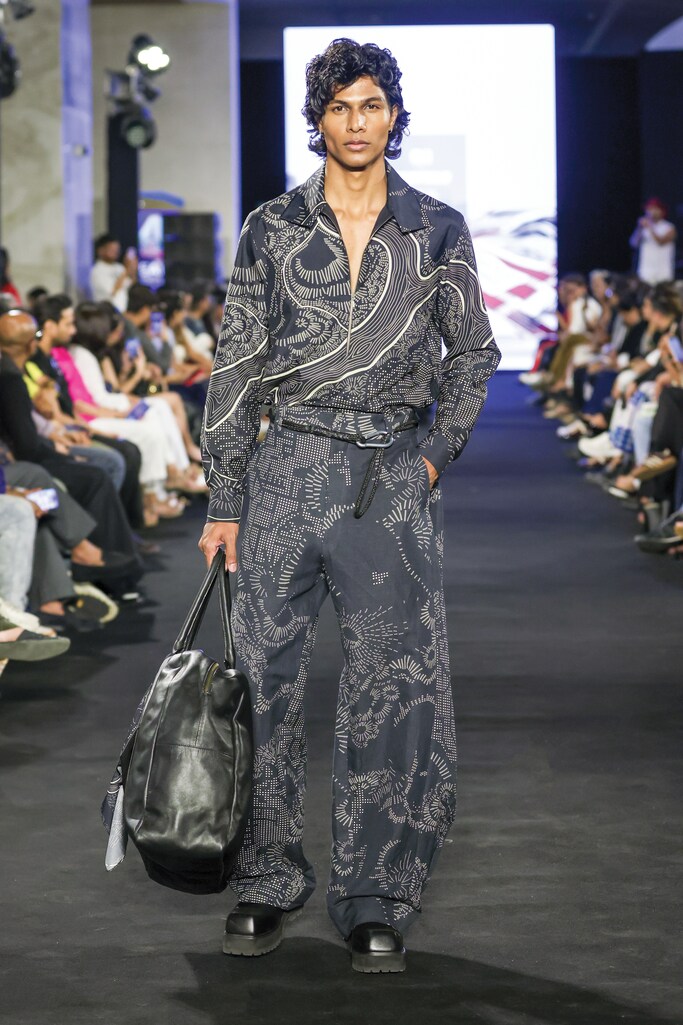
And then, of course, there was khadi, not seen as tokenism or symbolism, but as a core idea driving the pieces. Sustainability, across collections, was not articulated through slogans but through smart choices. Fabrics carried the weight of process, of time, of human labour. Designers approached handwoven textiles not as heritage artefacts, but as living materials – capable of evolving, adapting, and holding relevance within a contemporary wardrobe.
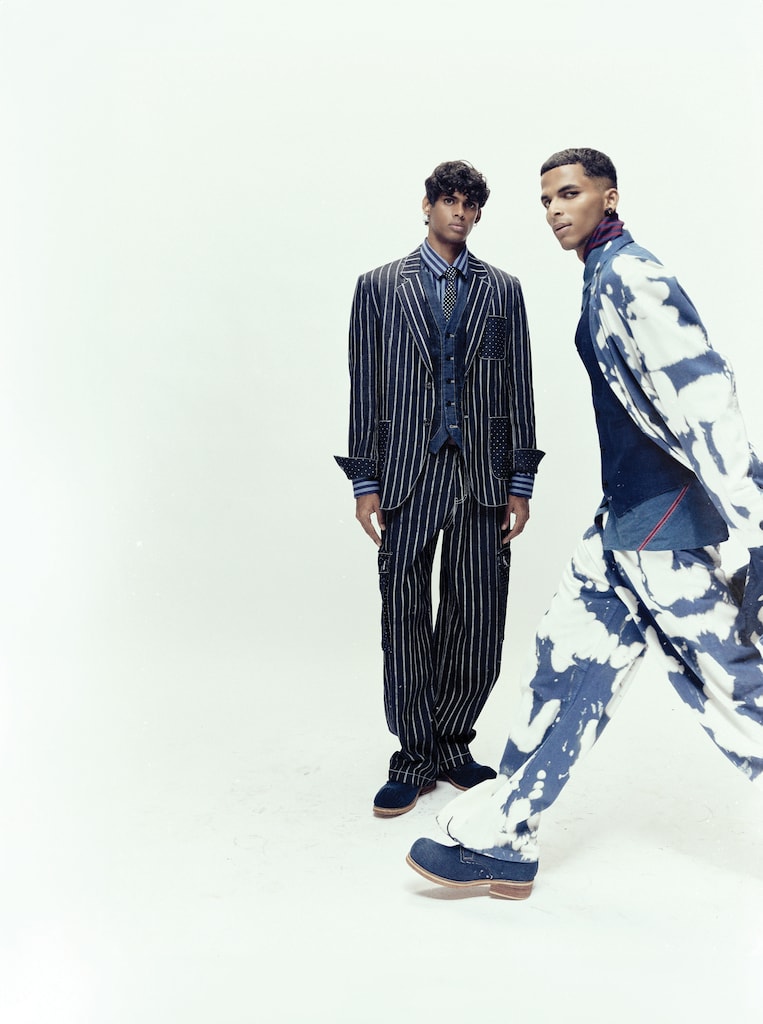
What ties these disparate threads together is not aesthetic uniformity, but a shared sensibility and recognition that fashion today must do more than capture attention. It must endure and sustain. That it must move with the wearer, not against them. That it must, above all, translate and make sense.
This is what defined the season. Not a singular trend, but a collective shift toward intentionality. There was elegance in ‘less is more’, confidence in small details and nuances, and a refusal to equate visibility with value. Trends were revealed through fabric, proportion, and the intelligence of construction. In an industry often propelled by immediacy, this season proposed something far more compelling: longevity. Not by resisting change, but by slowing it down and making it more considered.
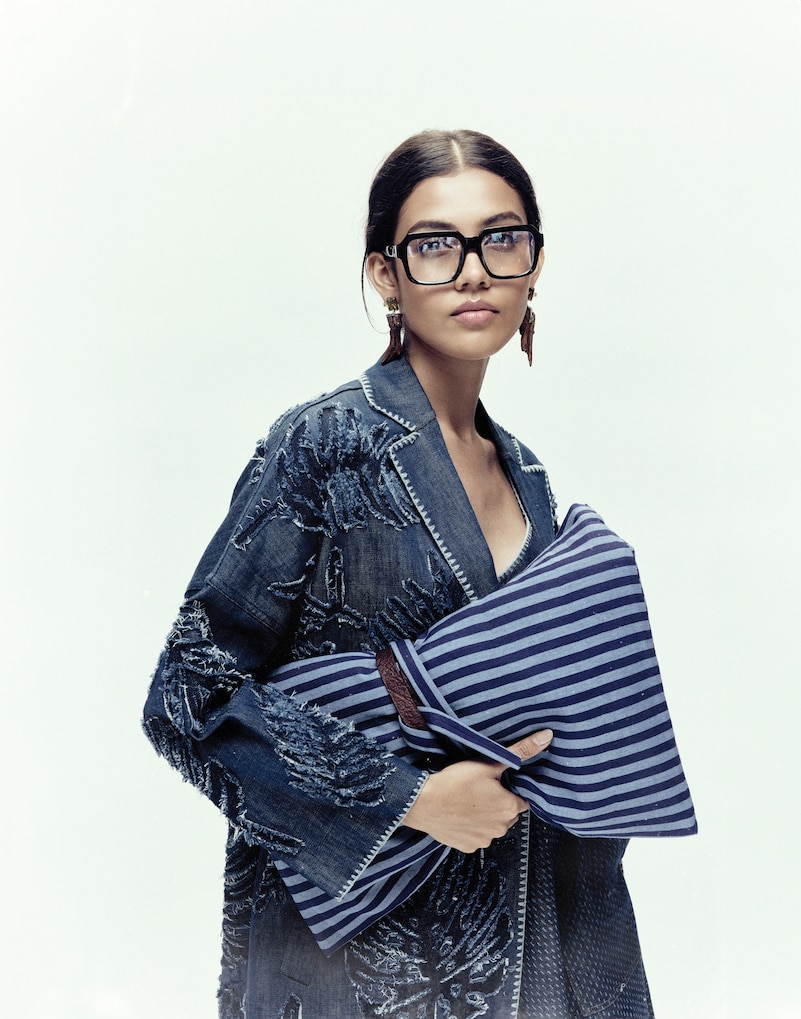
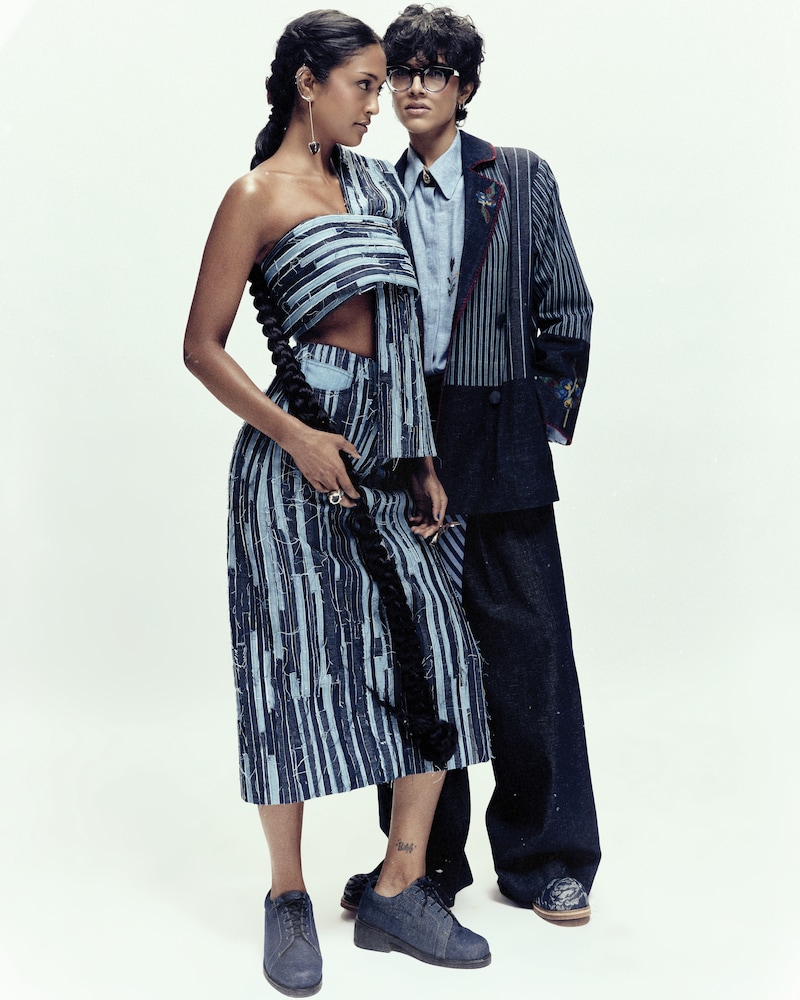
Credits: Img 1: Amit Aggarwal; Img 2 & 5: Jajaabor; Img 3 & 4: Abraham & Thakore; Img 6: Saim; Img 7: Dhruv Vaish; Img 8, 9 & 10: Payal Pratap Singh.