


Before he became a global torchbearer for the sitar, Purbayan Chatterjee was a fifteen-year-old prodigy navigating sudden national acclaim. Winning the President’s Award at that young age brought “about five minutes of relief followed by a lifetime of pressure,” transforming the concert stage into his true, lifelong report card. “Good music has a far better passport than most of us do,” remarks Chatterjee, a reality that rings true across his genre-defying discography. He was surrounded by the towering legacies of icons like Pandit Nikhil Banerjee and Ustad Ali Akbar Khan, but he refused to be weighed down by history. By treating legacy as a torch to borrow rather than a burden to carry, Chatterjee built a career on becoming the first version of himself, fearlessly taking the sitar into modern spaces while holding tight to its classical soul.
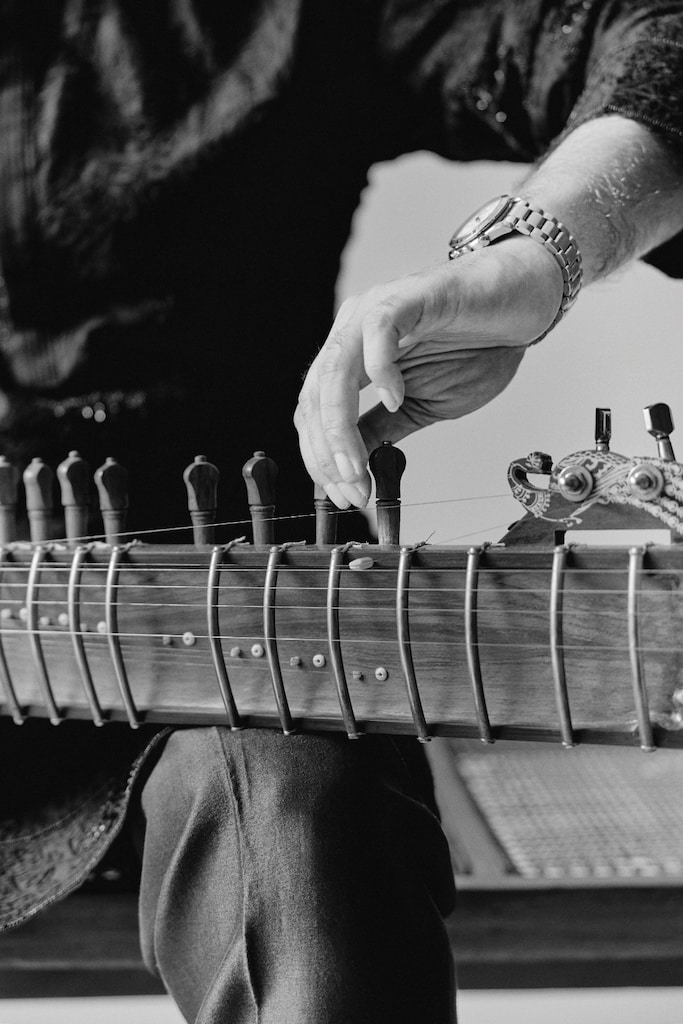
That pursuit of modern spaces took concrete shape when he realised his instrument needed a broader canvas. Grounded in rigorous classical discipline, he pioneered the electric sitar – born not out of a desire to replace the acoustic original, but to let it travel into modern sonic landscapes. Predictably, purists raised their eyebrows, but Chatterjee remained unbothered by the resistance. To him, every instrument revered as traditional today was once someone’s radical innovation, and locking an art form behind glass is the quickest way to turn it into a relic.
The unwillingness to play it safe soon took Chatterjee to stages around the world, sharing mics with Shankar Mahadevan on Stringstruck, and trading riffs with jazz icon Herbie Hancock and Dream Theatre’s Jordan Rudess. For him, cross-cultural collaboration is less about ego and more about speaking “fluent curiosity” – expanding his musical vocabulary without losing his native accent. However, it was performing with Ustad Zakir Hussain that made the deepest impression, teaching him that generosity is the highest form of virtuosity. Chatterjee continues to pursue the unexpected today, with an eye on a future sonic collision with harmonic innovator Jacob Collier.
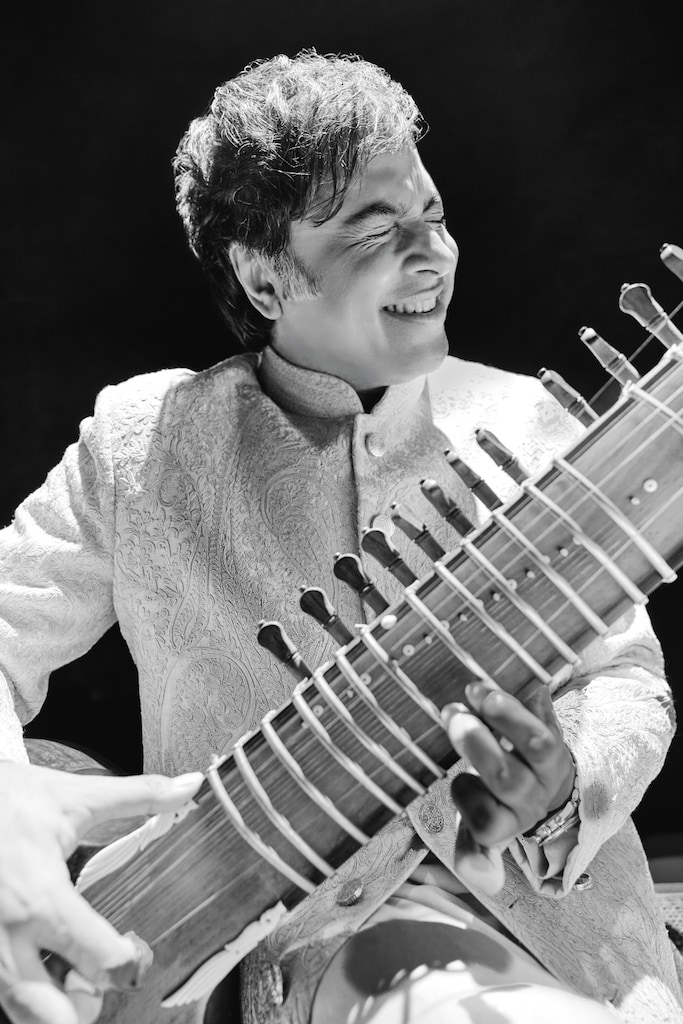
As his tours expanded, Chatterjee witnessed a profound shift in how the world listens to music. Where international audiences once treated Indian classical music as an “exotic” 1960s curiosity, today’s listeners arrive deeply prepared – well-versed in specific ragas, compositions, and artists. Back home, an equally striking transformation is unfolding inside auditoriums increasingly filled with younger crowds. In an age of endless digital scrolling, Chatterjee notes that a live raga offers something increasingly rare: uninterrupted, focused attention. The music has remained true to its roots; it is the audience that has found a modern sanctuary in its authenticity.
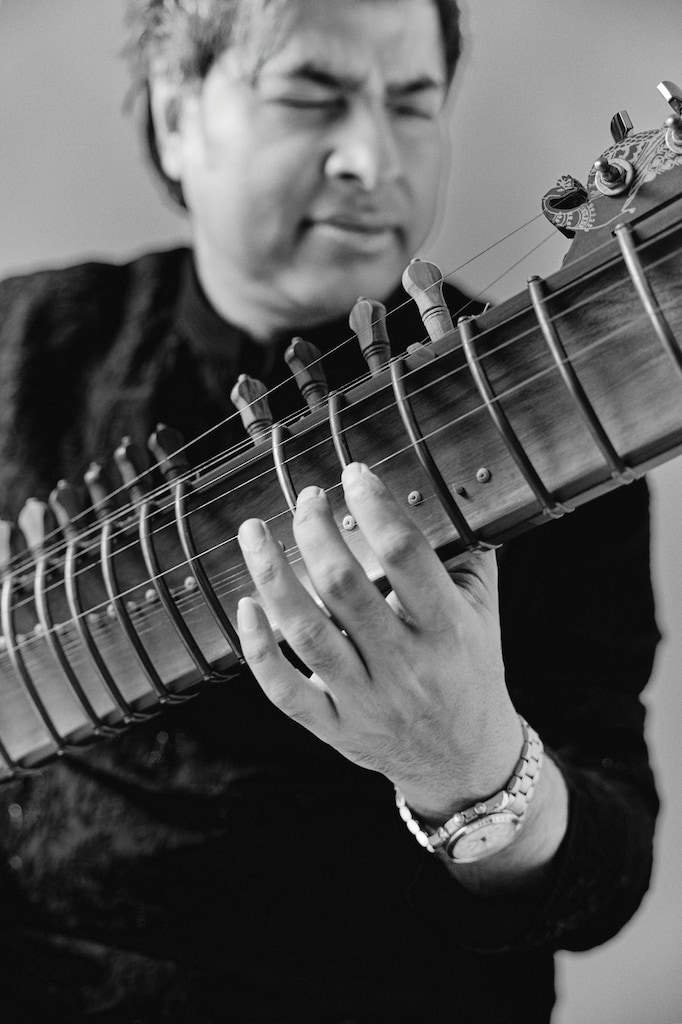
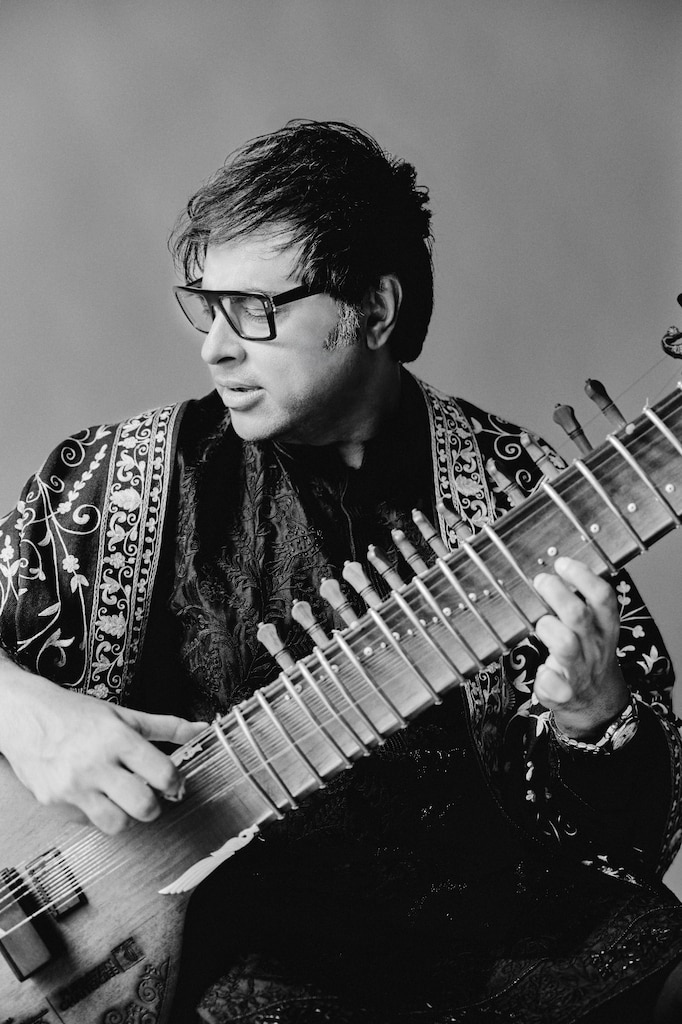
After spending decades performing, the musician has seen his audience change around the world. Thanks to global streaming and collaborations across cultures, people now respect the art form’s depth instead of just seeing it as something new or unusual. In India, more young listeners are looking for authentic, immersive music, which makes even the oldest traditions feel new again.
When he’s not on stage, Chatterjee seeks balance in the silence. His pre-concert ritual is the same – rigorous tuning until the art, artist and the instrument are in perfect harmony. To refresh his mind of mental fatigue, he steps away from music altogether, replenishing his brain with a swim, a film or a gadget. Perhaps, this is what helps replenish his insatiable curiosity. In an era driven by overstimulating activities and deteriorating attention span, Chatterjee continues to perfect his craft, committed to keeping an ancient form of expression alive, relevant and resonant around the world.