


In a fashion landscape constantly chasing the new, Saaksha & Kinni turned inward. They turned towards memory, materiality, and the enduring language of craft. With their Spring/Summer ’26 collection, Estampa, the designer duo present a thoughtful ode to heritage prints, where tradition is not merely preserved but intuitively reimagined.
At once tactile and fluid, Estampa unfolds as a nuanced dialogue between heritage techniques and modern expression. In this conversation, designer Saaksha Bhat delves into the inspirations, processes, and techniques that shaped the collection, offering a closer look at how craftsmanship and contemporary storytelling come together in their evolving creative world.
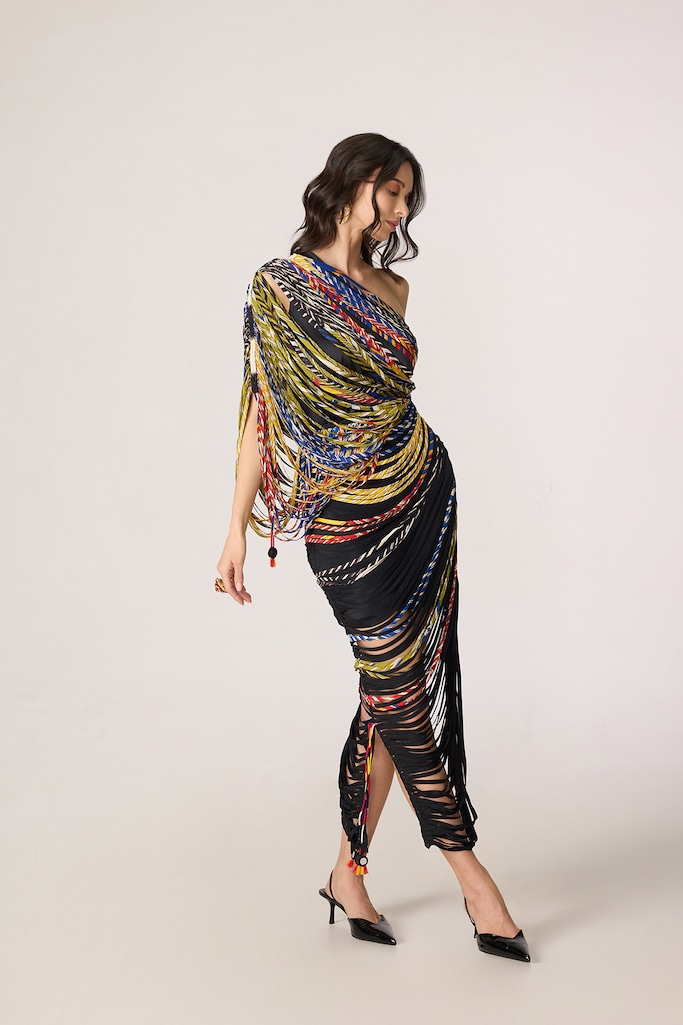
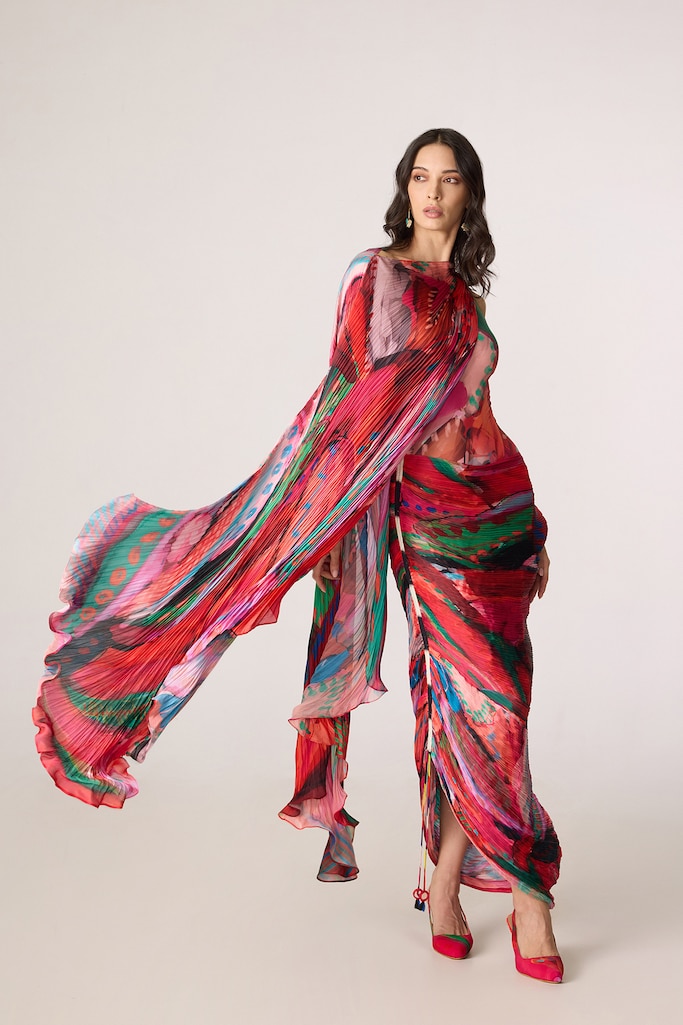
FL: “Estampa” is described as a reflection of your identity as designers – what personal elements or experiences found their way into this collection?
SB: Estampa is deeply personal for us; it’s really a culmination of everything we’re drawn to, both instinctively and emotionally. There’s a certain nostalgia in the way we’ve approached prints, almost like collecting fragments over time and reinterpreting them through our lens. We have been heavily influenced by our grandmothers’ and mothers’ collections of bandhani and ikat sarees and their love for Indian motifs. The way they chose to dress also mirrors how we dress and think – layered, intuitive, and not confined to a single narrative.
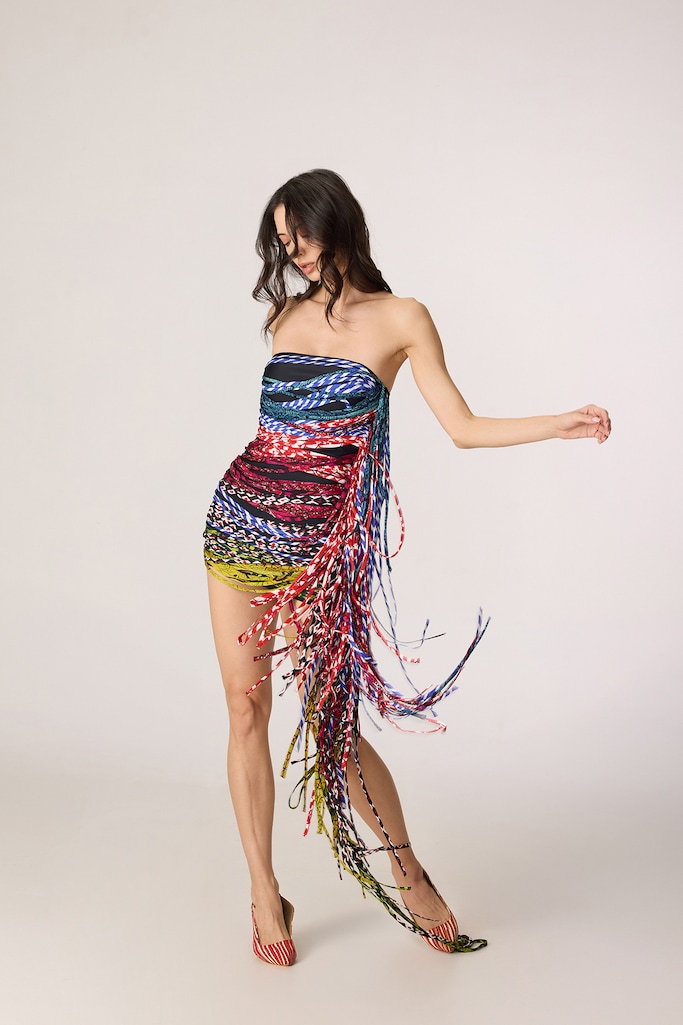
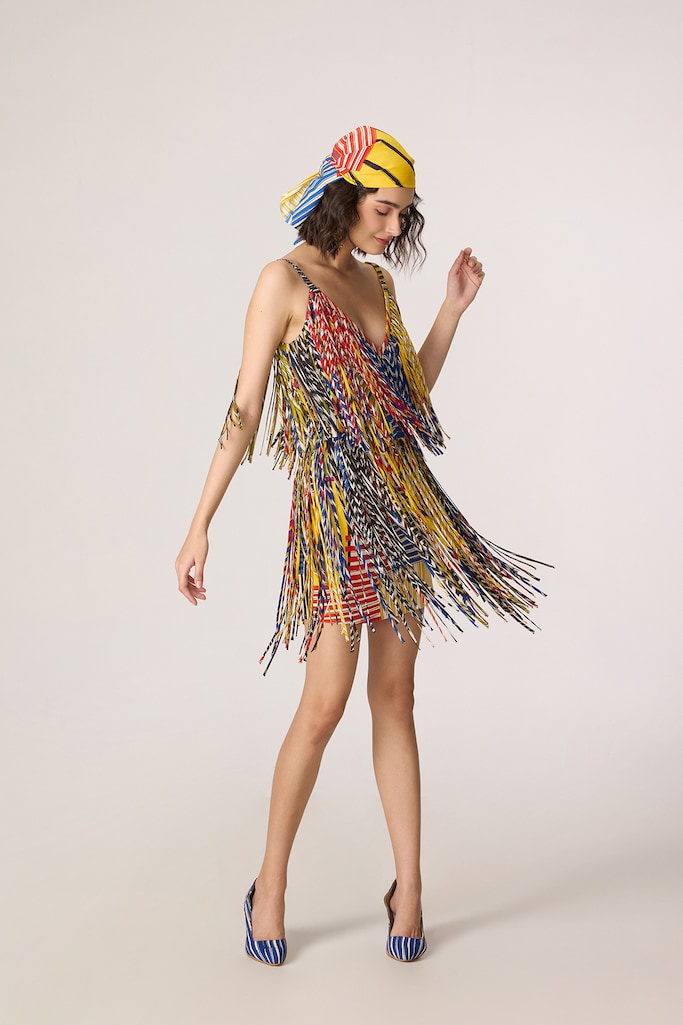
FL: The collection brings together Kalamkari, Ikat, Bandhani, and block prints. How did you approach blending these distinct traditions into one cohesive narrative?
SB: For us, it was less about showcasing each craft in isolation and more about creating a dialogue between them. We approached it almost like a collage, where each element retains its identity but contributes to a larger story. Scale, colour, and placement became key tools in making everything feel cohesive. We weren’t trying to ‘match’ prints in a conventional sense, but rather let them coexist in a way that felt organic and slightly unexpected, much like how you would layer pieces in real life.
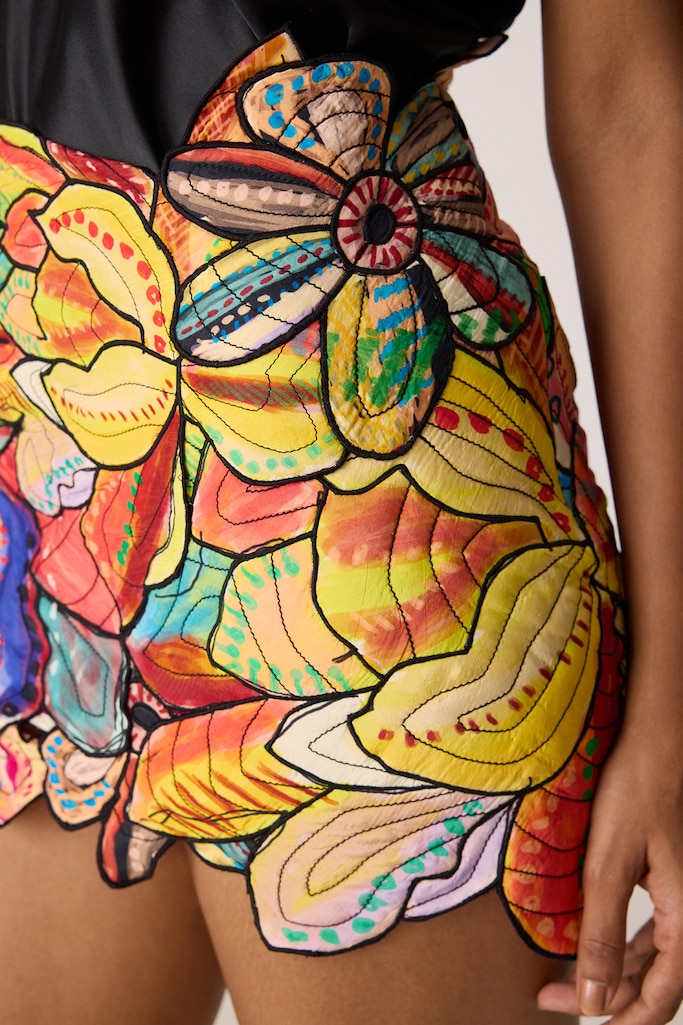
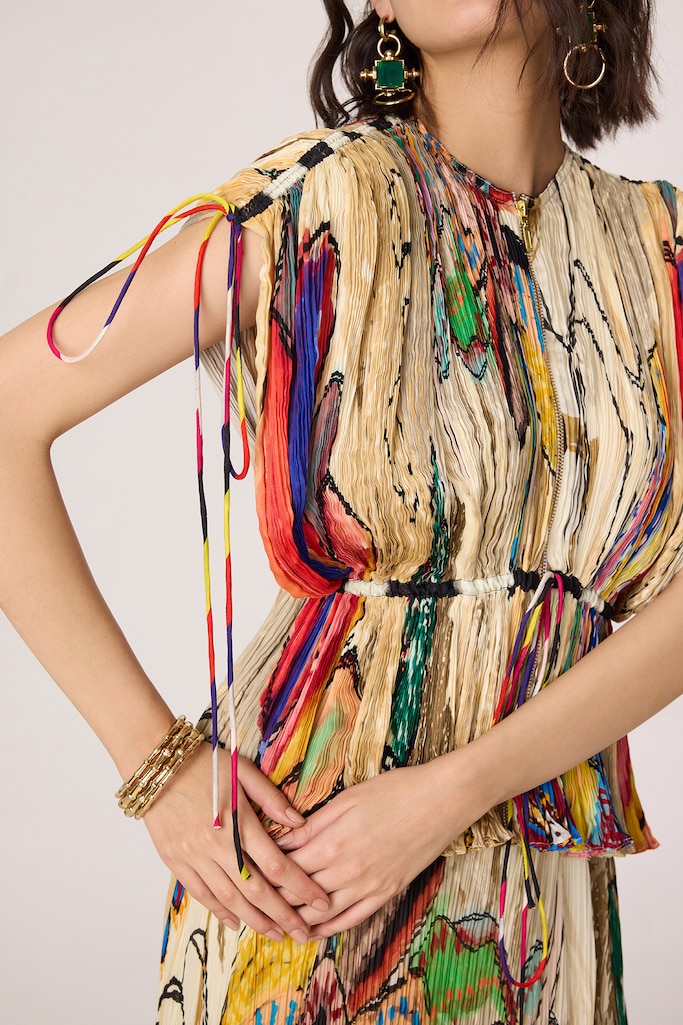
FL: There’s a strong tactile quality across the collection, from micro pleating to layered prints. How important was texture and movement in shaping the overall design direction?
SB: Texture and movement were central to how the collection evolved. In a season that’s so visually driven, we wanted to bring in a sensory dimension, something that feels as good as it looks. Techniques like micro pleating, layering, and fabric tassels allowed us to create depth without heaviness. Movement, especially, was important – it softens the structure of prints and makes the garments feel more alive and fluid. It’s also very much in line with how we see summer dressing – easy, breathable, and dynamic.
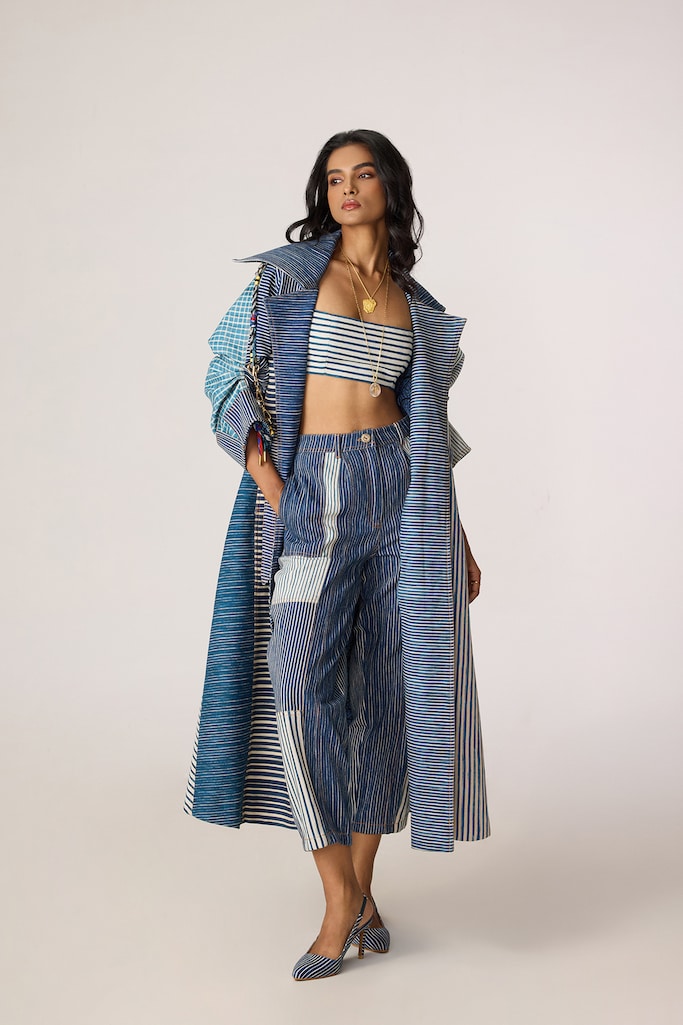
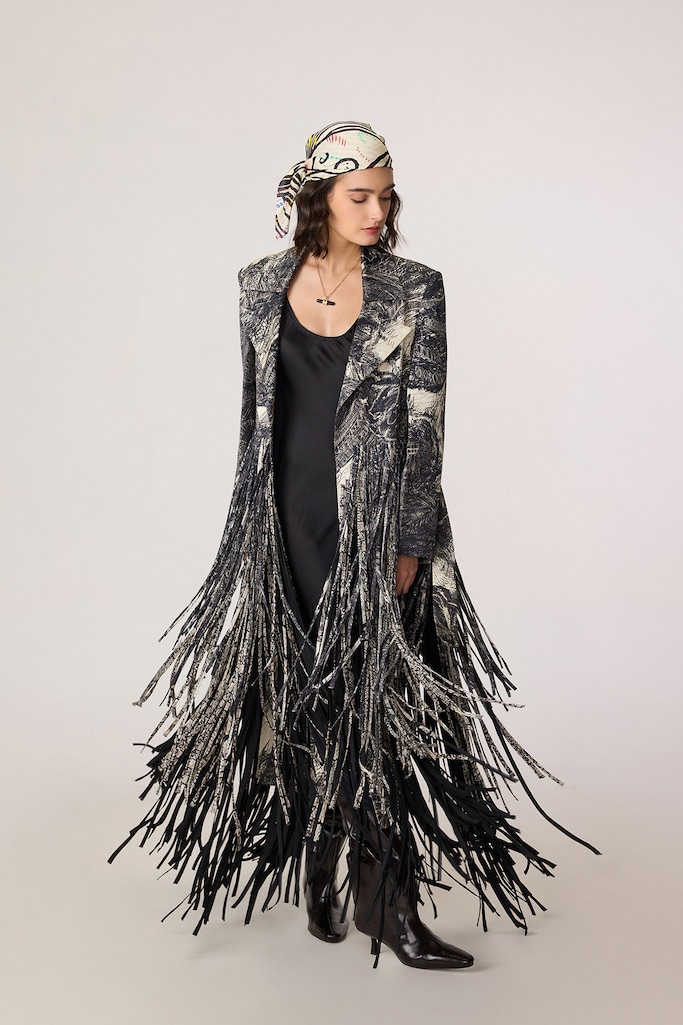
FL: From patchwork denim to tassel techniques using fabric waste, sustainability plays a key role this season. How does craft intersect with conscious design in Estampa?
SB: For us, it’s quite instinctive. A lot of these techniques, like patchwork or using leftover fabric, already exist within our craft practices. Traditionally, artisans have always worked in a very resourceful way. We’re just building on that and being more intentional about it. It doesn’t feel like a separate sustainability effort but more of a celebration of what we already have.