


Networking once meant exchanging business cards over coffee or making small talk at industry events. Today, professionals are making meaningful connections in a very different setting: run clubs.
Across cities, run clubs have evolved from fitness groups into communities where entrepreneurs, founders, creatives and professionals come together, not just to improve their health, but to build genuine relationships. Unlike traditional networking events, there’s little pressure to introduce yourself or make the perfect pitch. Conversations happen naturally over repeated interactions with familiar faces turning into trusted connections.
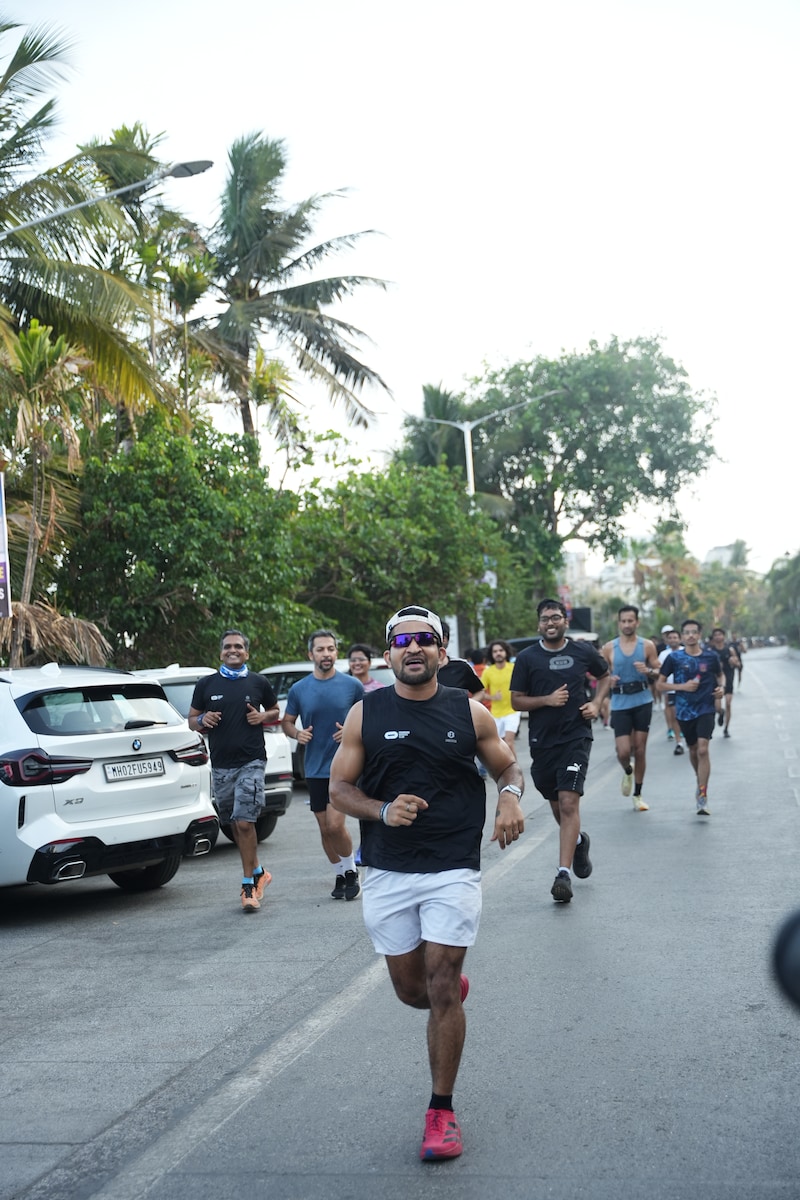
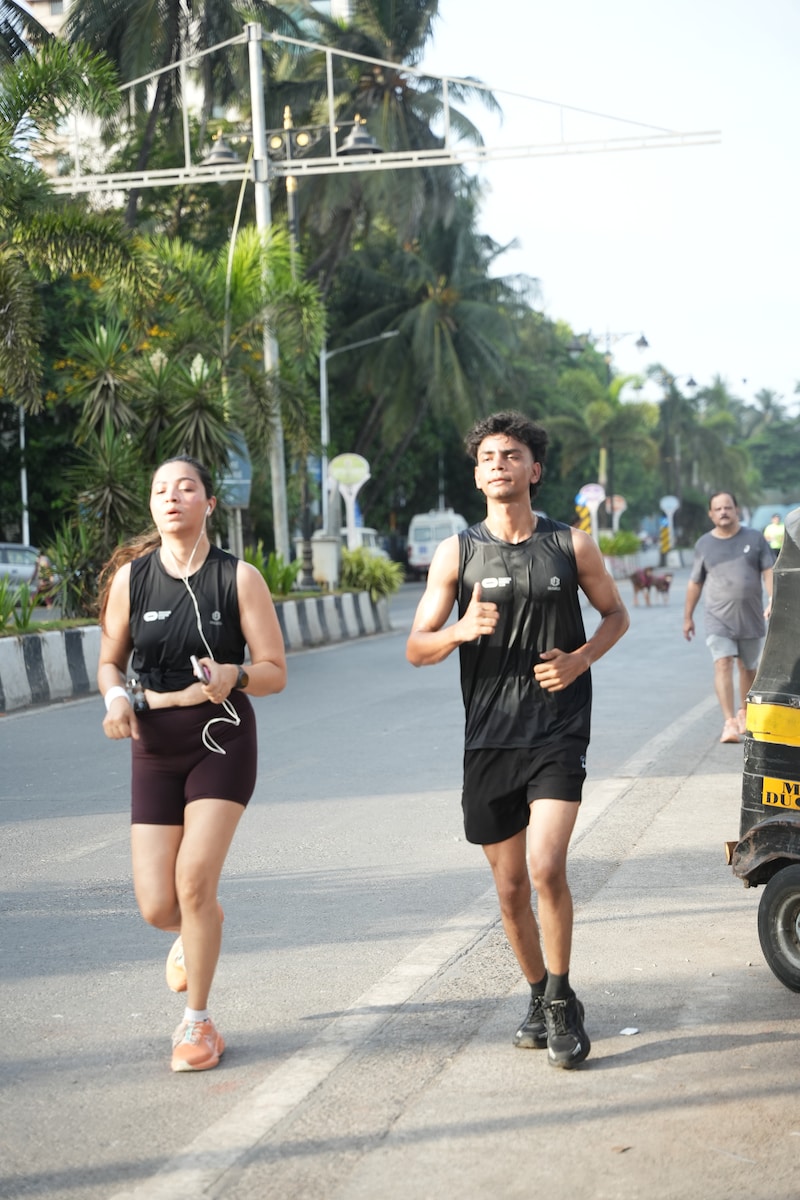
For Diksha, who leads the Mumbai chapter of Founders Running Club (FRC), the difference lies in the intention behind the interaction. “Traditional networking is built on extraction. You walk in there to get something, and everyone knows it, so everyone’s guarded,” she says. “A run flips that. By the time you finish, you’ve been through something together, and that’s a foundation no conversation over canapés can beat.”
She believes running also creates an uncommon sense of equality. Whether someone has built a successful company or is just starting out, everyone is simply trying to complete the run. That shared experience removes hierarchy and makes conversations feel more honest than they often do in formal networking environments.
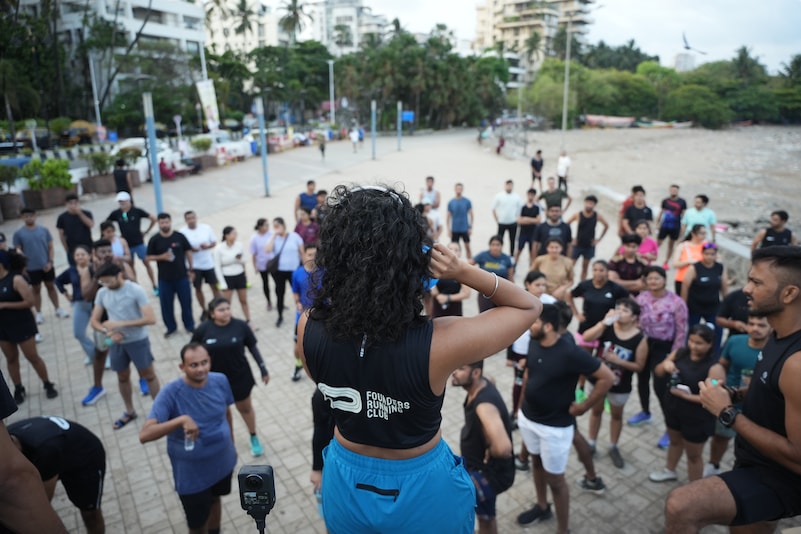
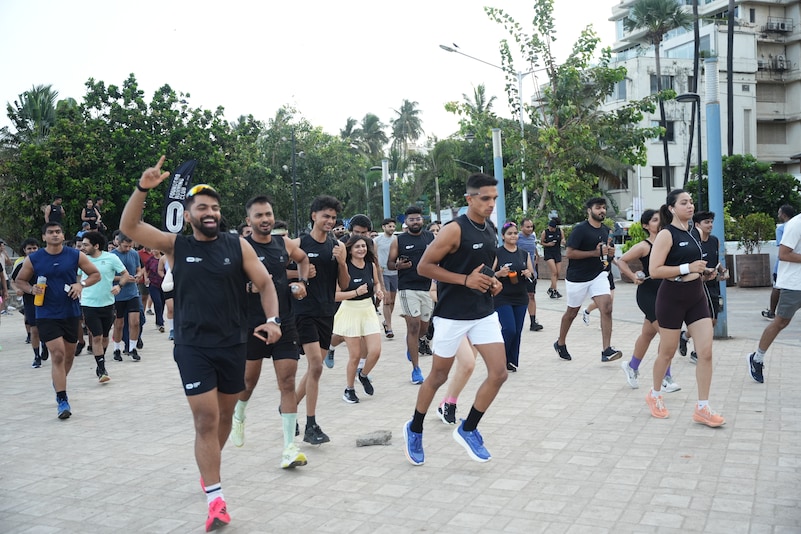
When Diksha started Founders Running Club Mumbai, she wasn’t trying to create another networking platform. Instead, she wanted to address something she had observed among founders. “Most founders neglect their health and blame ‘being busy’ for it. I wanted to offer them a sense of community amidst the chaos,” she says. “That’s exactly what FRC Mumbai has become today.”
The success of run clubs also reflects a broader shift in how professionals approach relationships. Increasingly, people are looking for communities built around shared interests rather than job titles or business opportunities. In these spaces, networking becomes a by-product rather than the objective.
Trust, too, develops differently. It isn’t built during a single meeting but through consistency. “Trust isn’t built in one big flashy moment. It’s built by showing up. Same people, same time, every week,” Diksha explains. Running strips away the polished professional image people often carry into work settings. “You can’t curate yourself on a run. People see you at 6 a.m., struggling, with no act. That’s when the real conversations start.” For members of Founders Running Club, those conversations often continue over coffee after every Saturday run, creating space for founders to share stories, challenges and experiences beyond work.
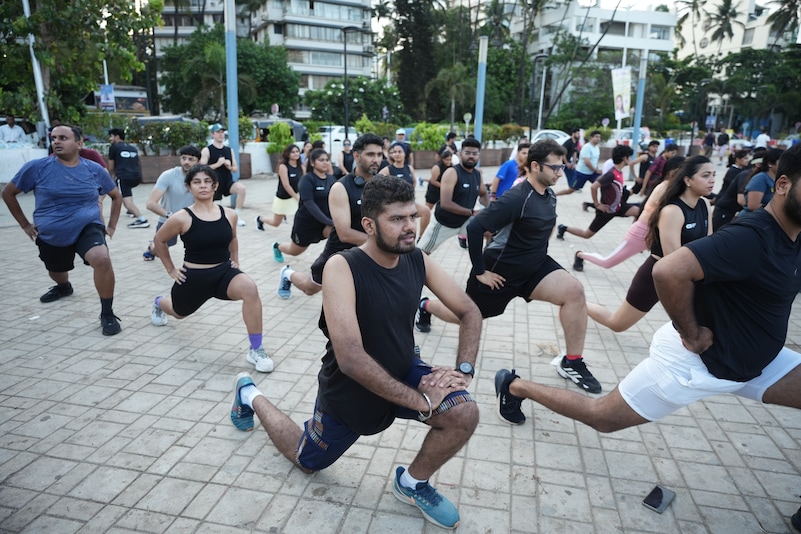
The growing popularity of founder-led communities also reflects a wider cultural shift. As work and communication become increasingly digital, people are actively seeking opportunities for genuine, offline interaction. Diksha believes that’s what makes communities more relevant than ever. “The value of offline human connections has really gone up,” she adds. “People value safe spaces where they won’t be judged and where they can consistently show up every week.” It’s this sense of belonging, more than networking itself that keeps members coming back.
Looking ahead, she sees these communities becoming even more influential, not only for individuals but for brands as well. As work, wellness and community continue to intersect, she believes organisations will increasingly recognise the value of engaging with communities that foster authentic relationships, rather than relying solely on traditional influencer marketing.
Run clubs today are no longer just about fitness. They have become spaces where accountability, wellbeing and meaningful relationships naturally come together. In a world where professional interactions are increasingly transactional and much of life happens online, perhaps the most valuable connections begin with something as simple as showing up for a run.