


Indian textiles carry a strange intimacy, although most of us only recognise it much later, usually while emptying an old wardrobe. In India, clothes rarely exist as just clothes. They collect stories, absorb people and memory, and become records of lives lived.
That relationship has shaped the way we speak about craft for generations. We admire it, inherit it and, more often than not, protect it with remarkable caution. And somewhere along the way, preservation became synonymous with respect, as though the greatest compliment one could pay a textile was to leave it exactly as it had always been.

Fashion, however, has never worked that way. The history of Indian textiles is one of constant evolution. Designers are treating it as a living design language, asking not how faithfully it can reproduce the past, but how confidently it can inhabit the present. The conversation has shifted from preservation to possibility.
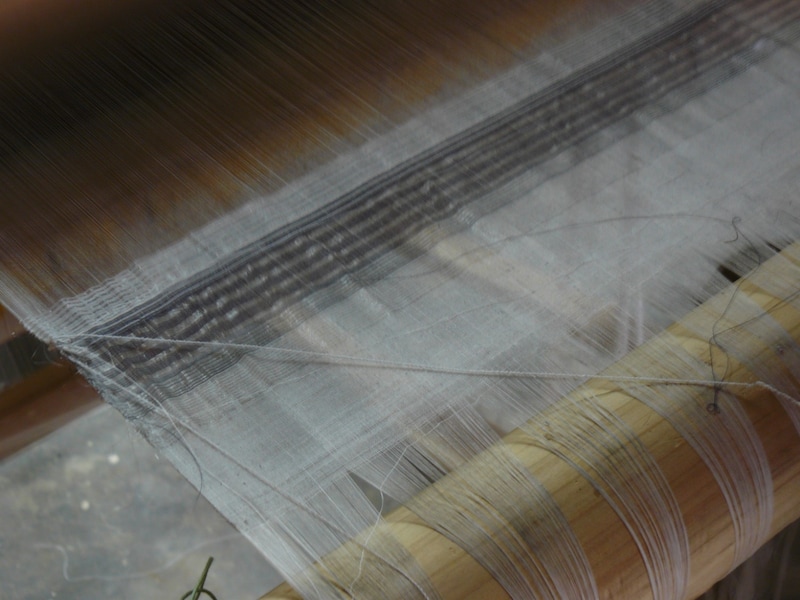
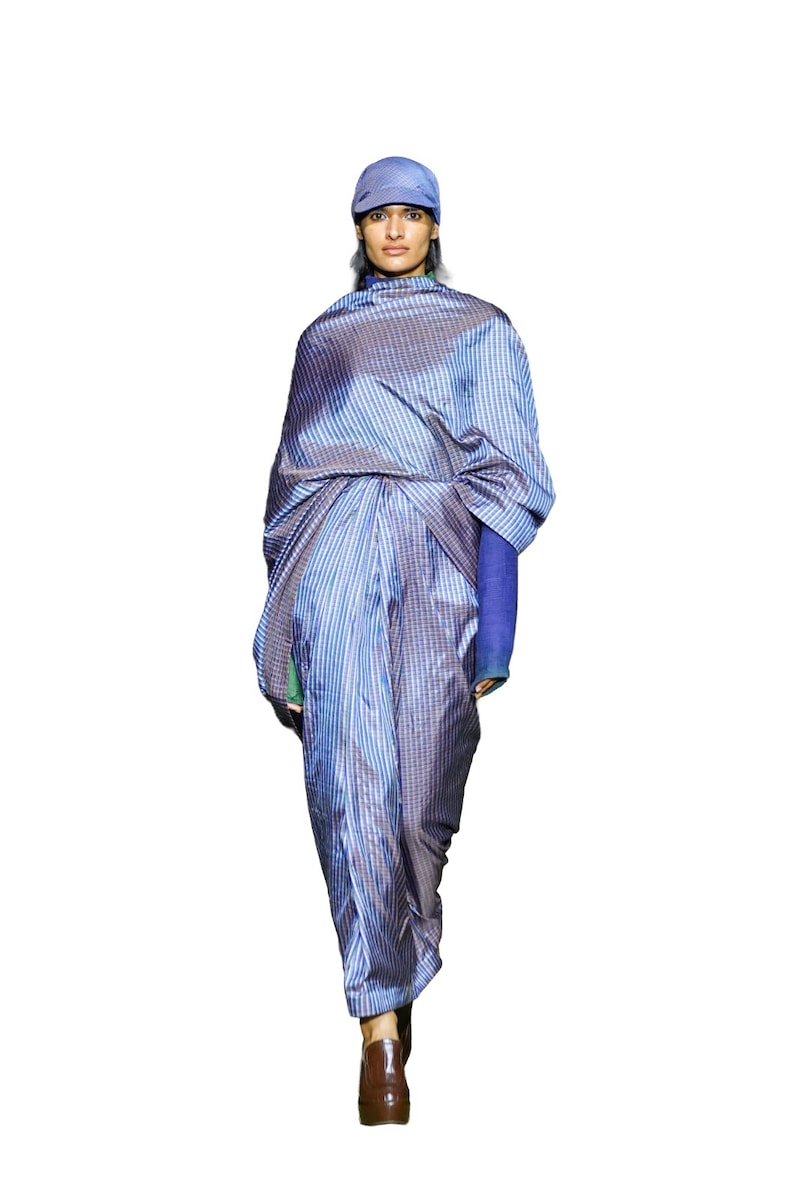
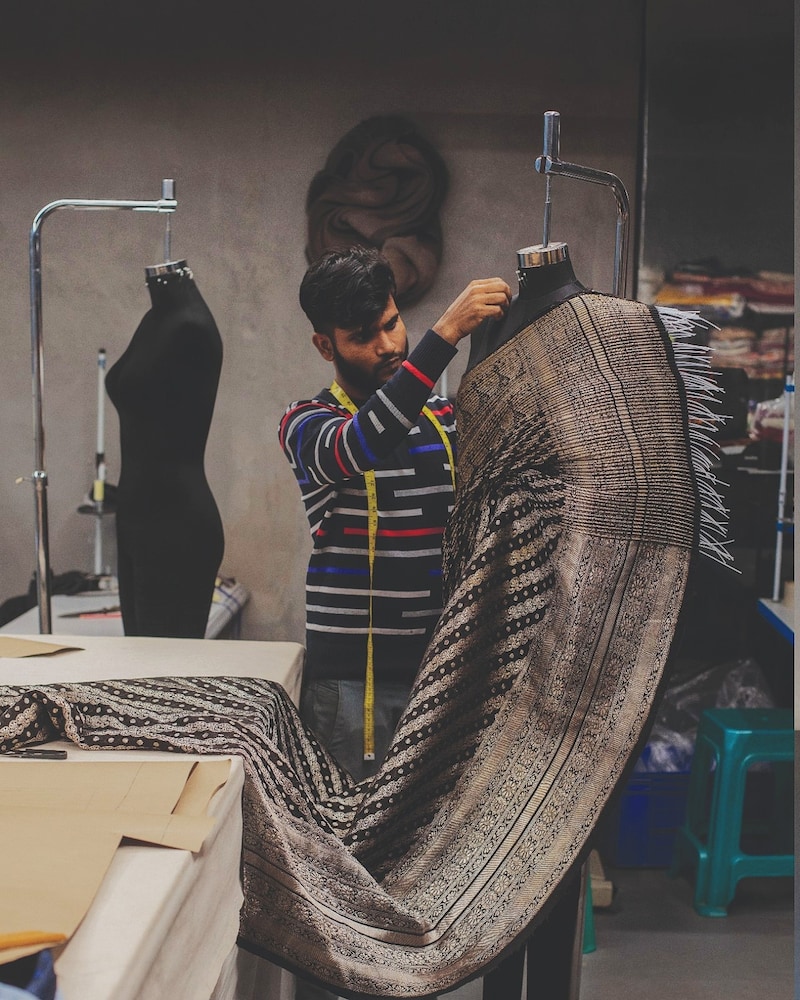
Image courtesy: Akaaro.
Few labels embody that approach more convincingly than Akaaro. Since its inception, the brand has treated weaving less as decoration and more as a material system, exploring geometry, structure and textile behaviour rather than relying on familiar visual markers of Indian craft.
“Traditional weaving techniques are incredibly sophisticated technologies in themselves, and what interests us is their potential to create something that feels relevant to the present rather than representative of the past. There was never a conscious attempt to reject the visual language of Indian craft. Instead, we became interested in separating technique from expectation.” says Gaurav Gupta of Akaaro.
Rather than treating the loom as a vessel for preservation, Akaaro sees it as a site of experimentation where traditional knowledge can continue generating new forms. That thinking has increasingly shifted beneath the surface. “Surface is often the first thing we notice in a textile,” says Gupta, “but structure is what determines how a material behaves, occupies space, responds to the body, and interacts with light.”
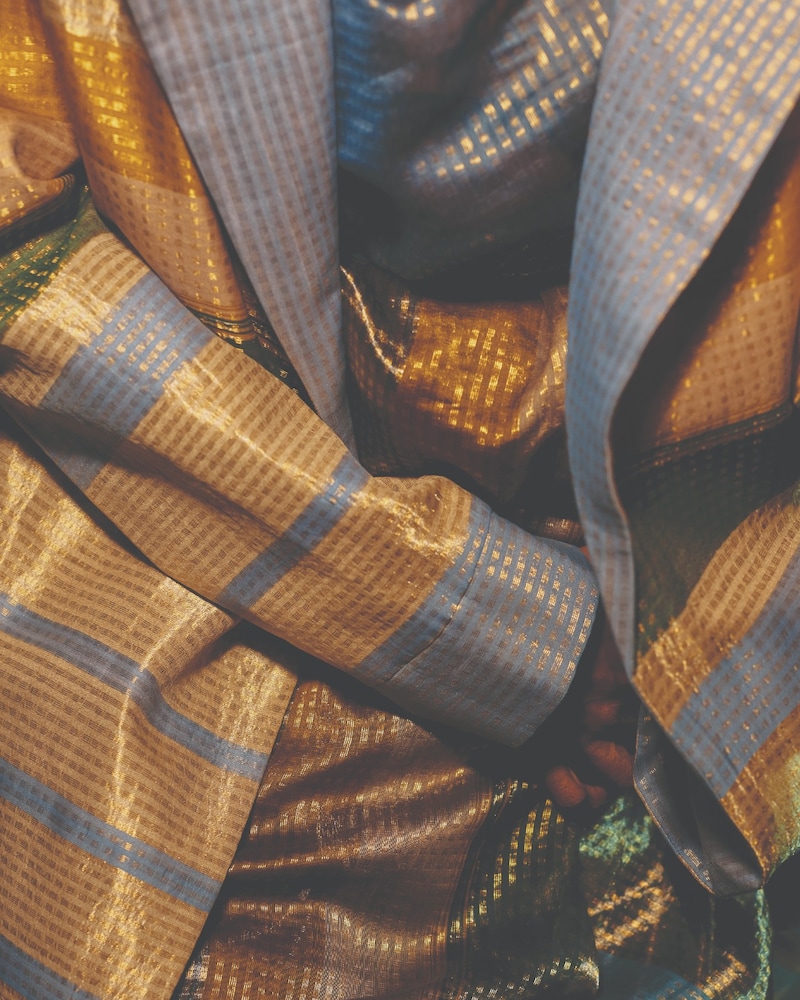
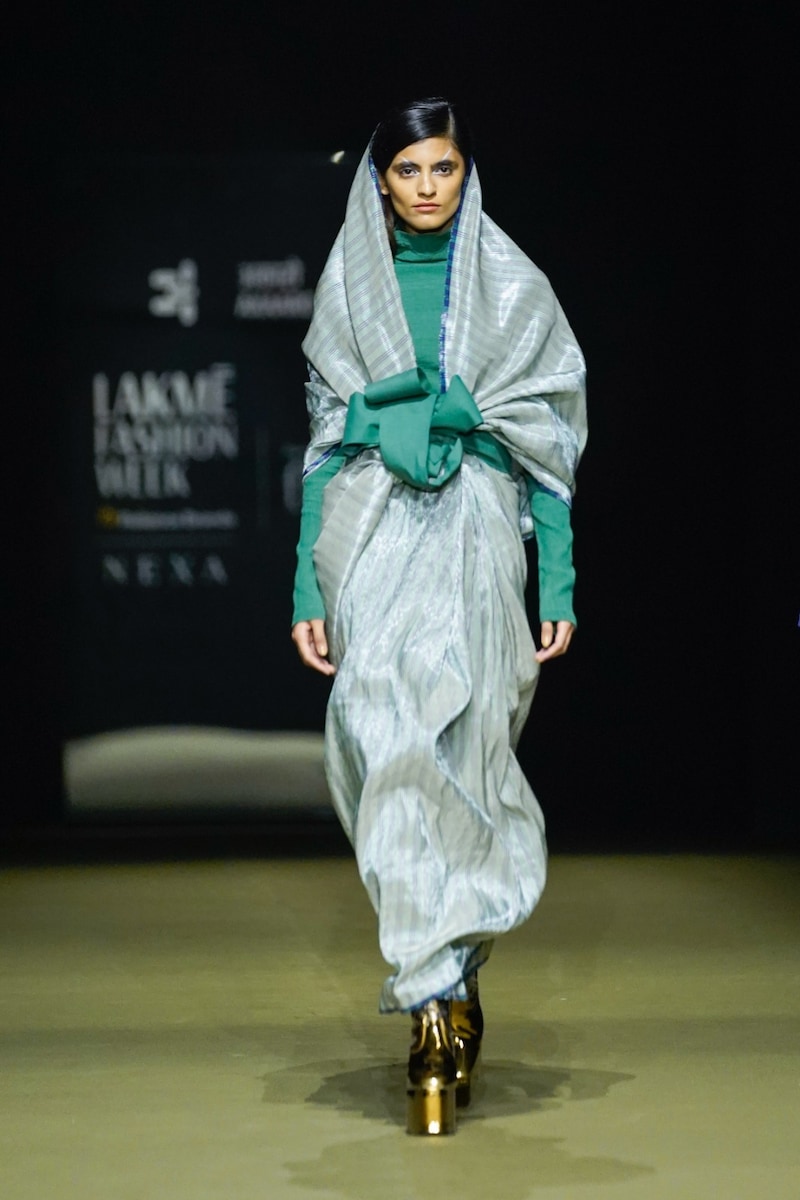
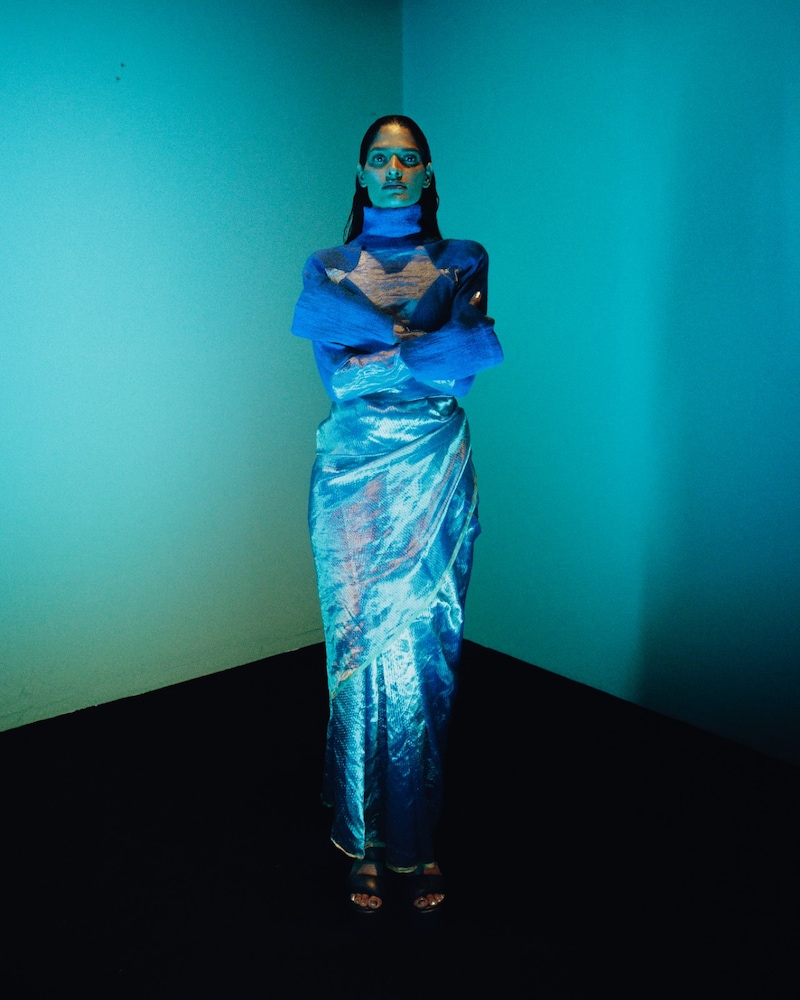
For Akaaro, that distinction changes everything. “We are interested in how weave structures can create volume, rigidity, softness, transparency, tension, and movement without relying on additional interventions. We often approach textiles the way an industrial designer might approach a material, by asking what it can do, rather than simply what it can look like.”
Their philosophy extends beyond design itself. “Craft has always evolved. What we often describe as ‘tradition’ is actually the result of centuries of adaptation, experimentation, and exchange. Preservation is important because it safeguards knowledge, but preservation alone cannot guarantee relevance.”
It is an idea that feels increasingly relevant across Indian fashion today, where the most exciting designers are no longer preserving craft exactly as they inherited it, but allowing it to evolve with the same confidence that has defined Indian textiles for centuries.
“A weave structure, a hand process, or a craft tradition does not inherently belong to a particular aesthetic. Once you free it from those associations, it becomes a powerful design tool.” – Gaurav Jai Gupta
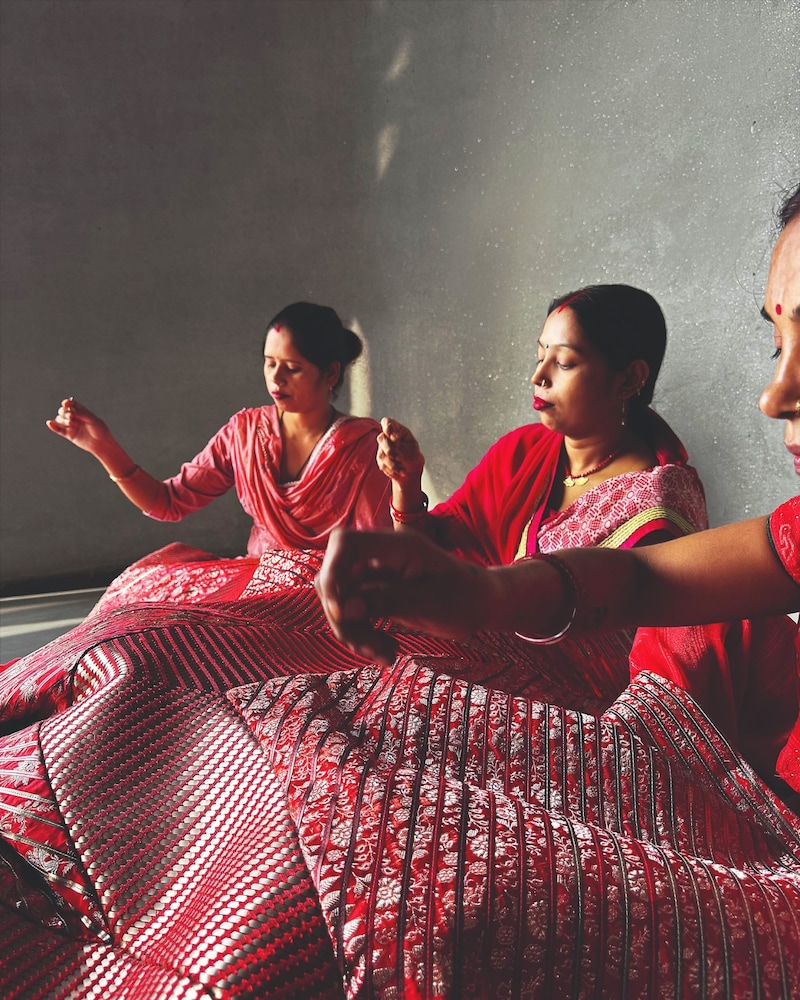
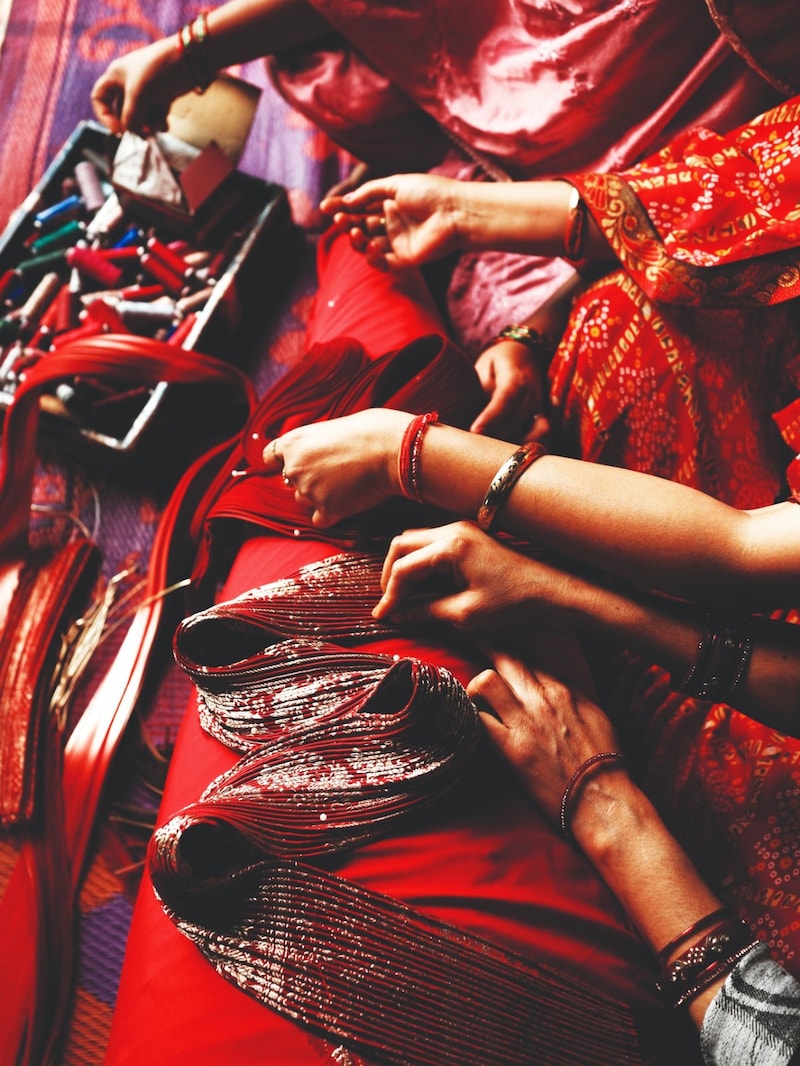
If Akaaro reimagines the loom as a site of innovation, Amit Aggarwal begins with something far more familiar and asks how far it can be transformed without losing its soul. Banarasi brocades, handwoven silks and heritage textiles remain central to his work, but they rarely behave in the ways we expect them to. “We’re not trying to erase their past,” he explains. “We’re allowing them to evolve. I often say that craft should be able to breathe in the future too. The moment a textile stops behaving the way you expect it to, you suddenly start seeing it differently. It becomes emotional in a completely new way. For me, that transformation mirrors human evolution itself. We carry memory, but we are constantly reshaping who we are becoming.”
His work has often been described as futuristic, but that feels like only part of the story. What makes Aggarwal’s collections compelling is not simply that they look ahead, but that they carry the past with them while doing so. Beneath every sculptural silhouette lies a textile that already possesses its own history, one that is neither erased nor disguised, but reinterpreted.
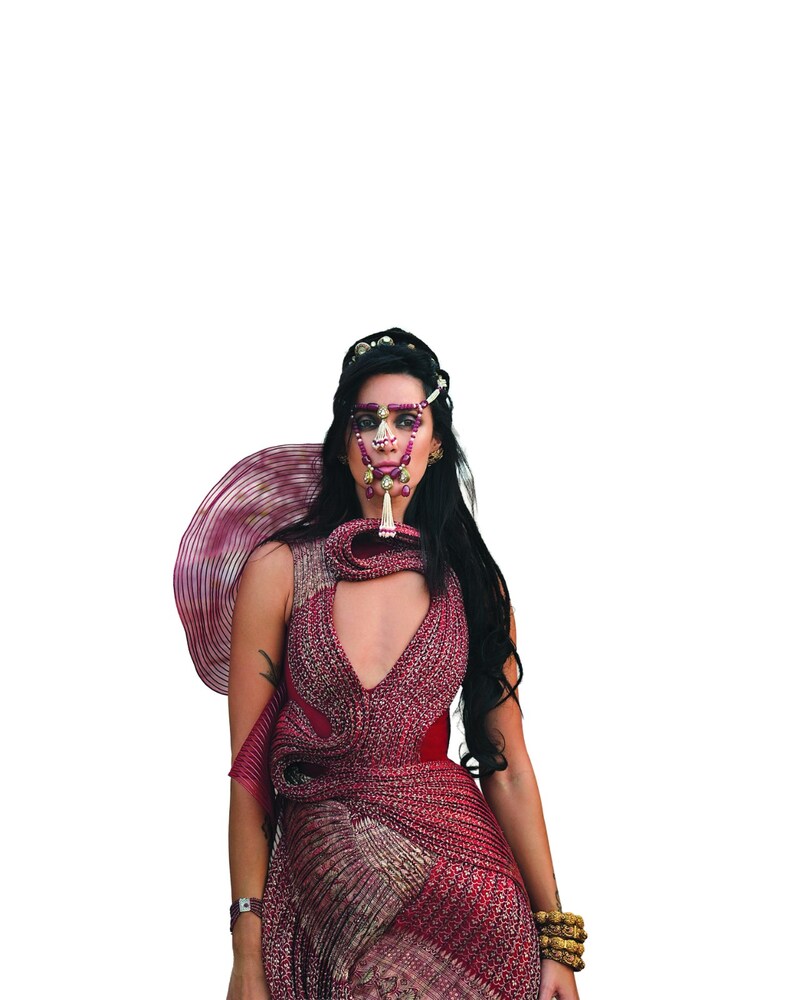
“The responsibility of a designer today is not just preservation. It’s reinvention. Because if craft cannot evolve with contemporary emotion and identity, it risks becoming static.” – Amit Aggarwal
The textiles are corded, moulded, laminated and restructured until they stop behaving in familiar ways, not to hide their origins, but to uncover new possibilities within them. That philosophy also explains why nostalgia has never become the defining lens through which he approaches Indian couture. While much of luxury fashion has traditionally looked backwards for inspiration, Aggarwal’s visual language has consistently drawn from architecture, anatomy, science fiction and material innovation, producing garments that feel simultaneously ancient and futuristic. “I’ve never been emotionally drawn to recreating the past exactly as it was,” he says. “I respect heritage deeply, but I don’t romanticise it. I think my fascination has always been with evolution.”
Yet not every designer has chosen to reinterpret Indian textiles through dramatic transformation. Where others have explored technology or structural innovation, Péro has remained interested in the emotional relationship between people and the clothes they live in.

And that is why Arora pauses when the conversation turns to revival. “’Revival’ is a very big word,” she says. “Unless something has completely disappeared, I don’t know if revival is the right way to describe it.” It is an observation that reframes the entire conversation. Indian textiles have never stood still. Techniques travelled across kingdoms and trade routes. Motifs shifted as cultures intersected. New fibres altered familiar fabrics, while generations of artisans adapted their knowledge to changing patrons, changing lifestyles and changing tastes. What we now celebrate as heritage was, at one point, innovation itself.
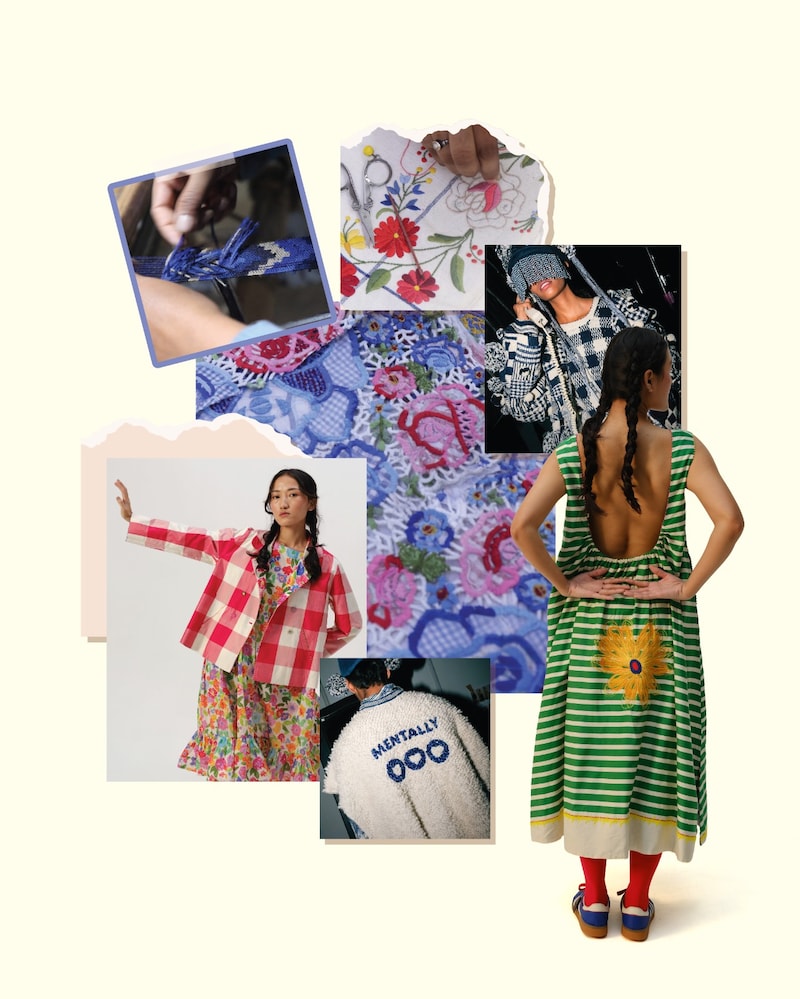
That is the real story unfolding across Indian fashion today. Designers are not rescuing craft from obscurity, nor are they preserving it exactly as they inherited it. Whether through Akaaro’s structural exploration of the loom, Amit Aggarwal’s sculptural reimagining of heritage textiles or Péro’s belief that cloth acquires meaning through the lives it accompanies, they are all participating in the same continuum. They are allowing Indian textiles to keep doing what they have always done: evolve.

The most remarkable thing about craft is not that it survives change, but that it has always depended on it. The archive was meant to be worn, questioned, adapted and passed on, carrying a little of every generation with it. That is what gives Indian textiles their extraordinary resilience. They remember where they came from, but they never stop imagining where they might go next.