Preservation is second nature to a lot of people, especially us Indians. It’s engraved in the way the country remembers – through food, textiles, craftsmanship, rituals, and even art. It reveals itself through recipes passed down without measurement, heirlooms folded into cupboards for generations, rituals repeated instinctively, and crafts carried forward through the memory of the hand. Yet, the process of preserving has rarely meant stillness or been reduced to a set formula.
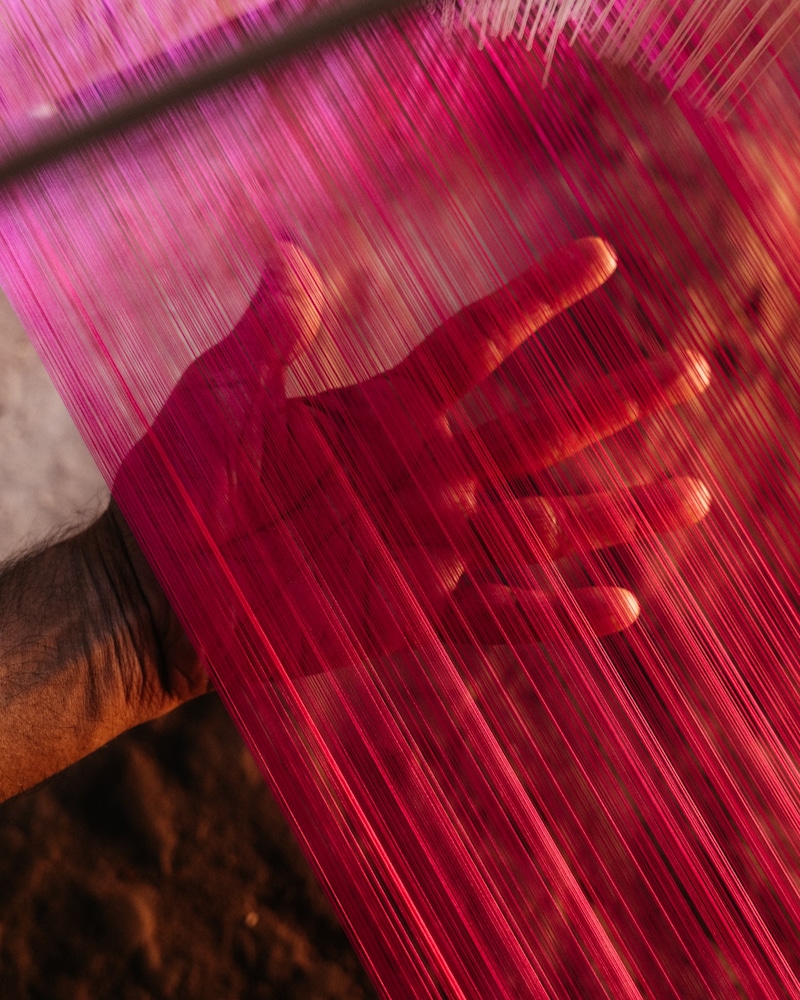
Traditions survive not because they remain untouched, but because they evolve with every generation that inherits them. There aren’t many that know how to balance continuity and change, but Palak Shah’s Ekaya seems to have cracked the perfect confluence of the two.
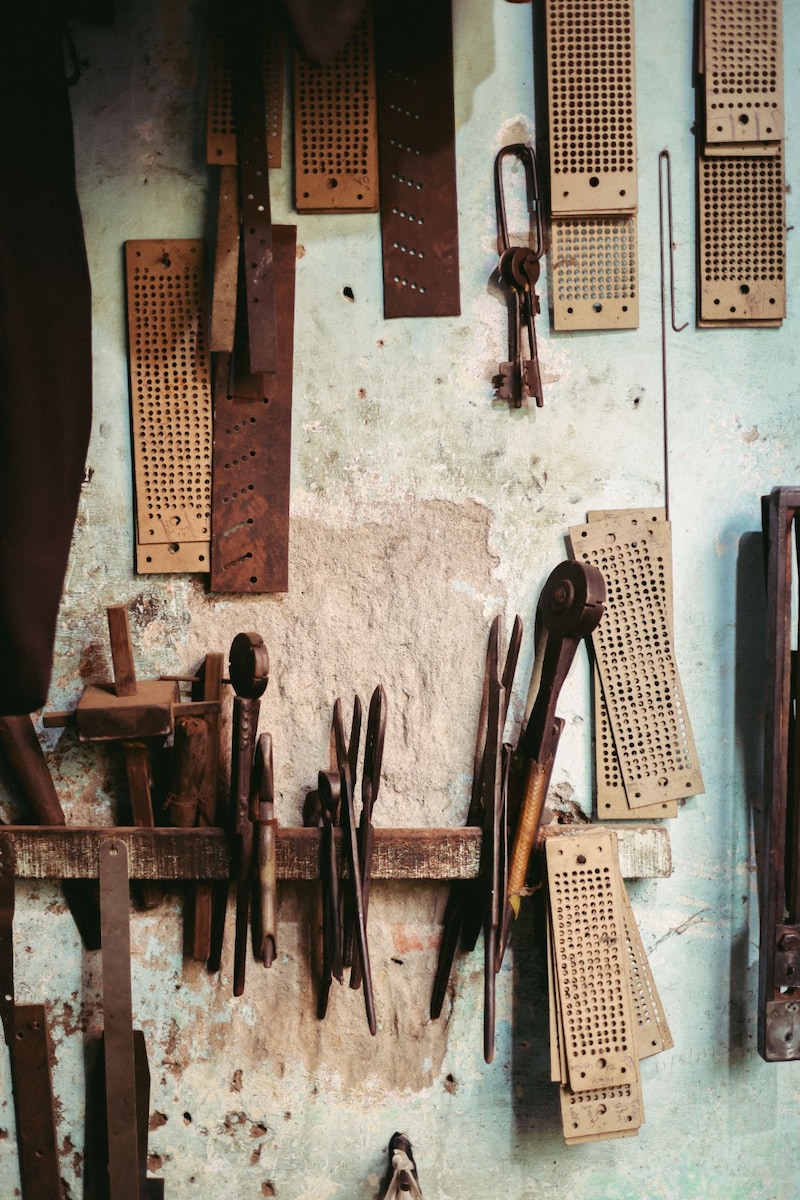
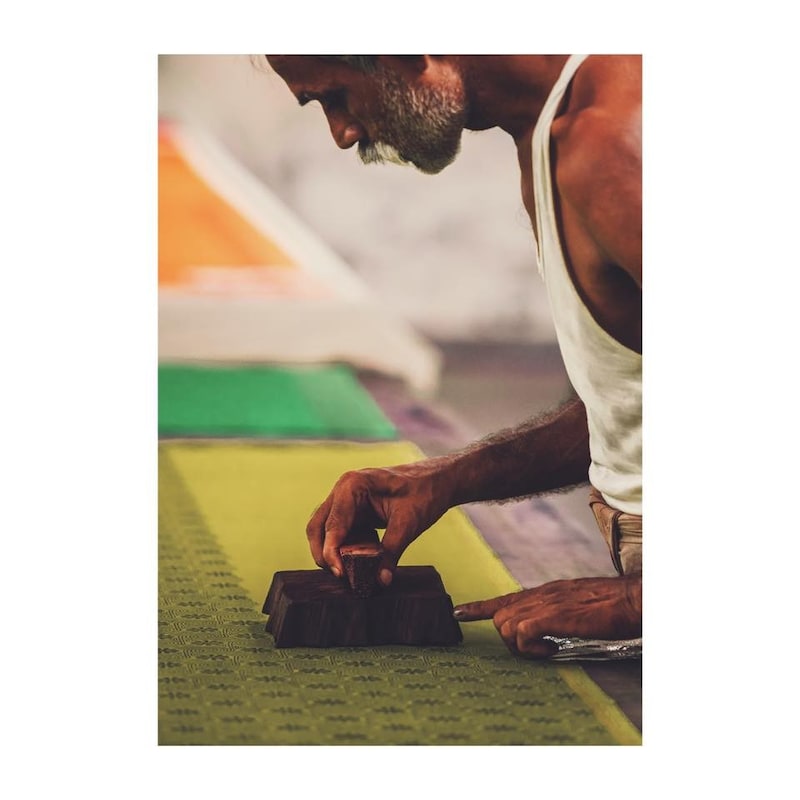
For over a century, Banarasi weaving has formed the foundation of Ekaya’s story. Yet under the direction of Palak Shah, the brand has moved beyond the language of preservation alone, entering a space where heritage becomes material for reinvention. What Shah inherited was not merely a family business but an entire textile language shaped by generations of craftsmanship, emotion, and cultural memory.
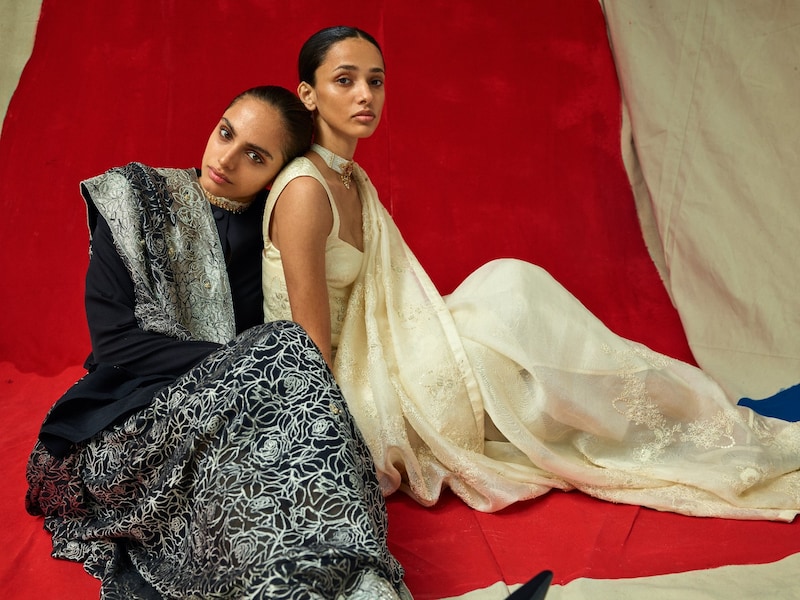
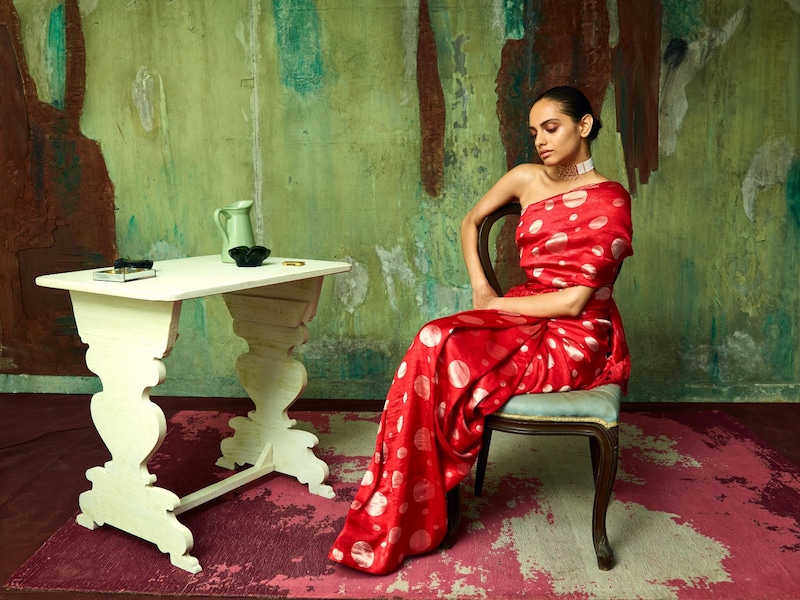
Naturally, memory sits at the centre of the Ekaya universe. But Shah speaks about it less as something to be archived and more as something to be continuously reinterpreted. “Preservation doesn’t mean keeping something frozen in time,” she says. Having grown up surrounded by looms, textiles, artisans, and conversations around craft, tradition was never presented to her as static. It existed as something living, capable of evolving alongside the people engaging with it.
“I think it’s important for traditions to evolve with the generation they’re speaking to.”
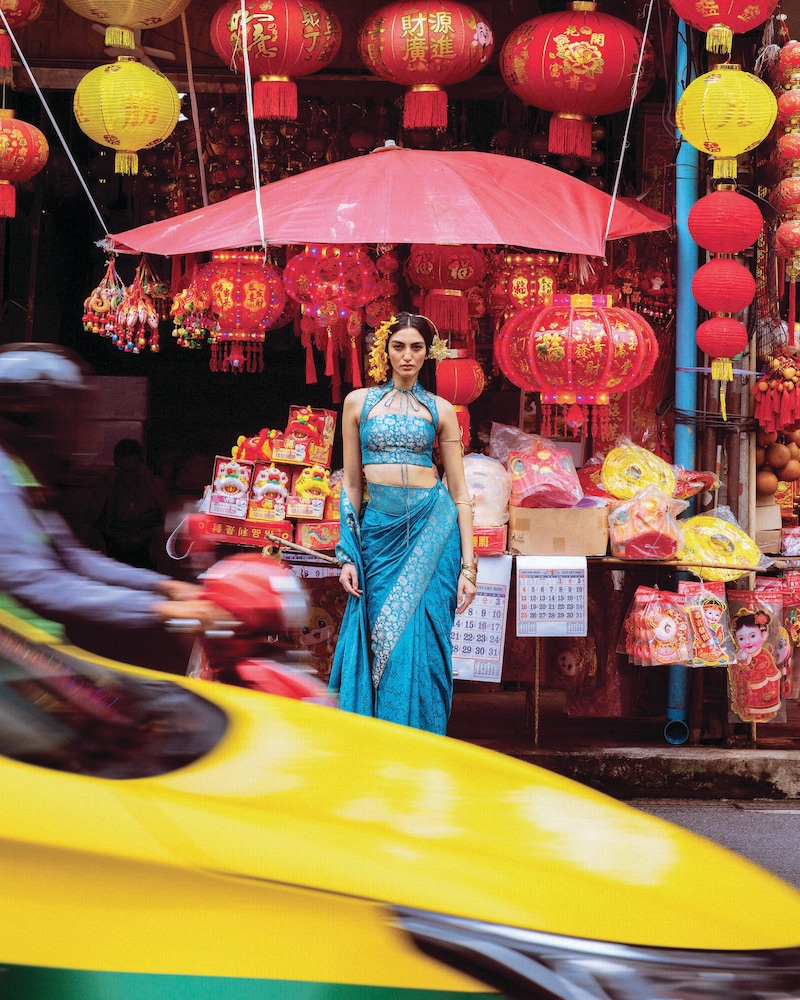
This philosophy is central to the way Ekaya approaches the legacy-laden textile today. The reverence for craft remains unwavering, but the approach feels noticeably lighter, freer, and less burdened by convention. Banarasi sarees are reimagined through fluid silhouettes, softer constructions, and contemporary styling – allowing the textile to move naturally within modern wardrobes. “We’re constantly thinking about how handwoven textiles can resonate with a younger generation,” Shah explains, “through newer silhouettes, styling, and ways of wearing them.”
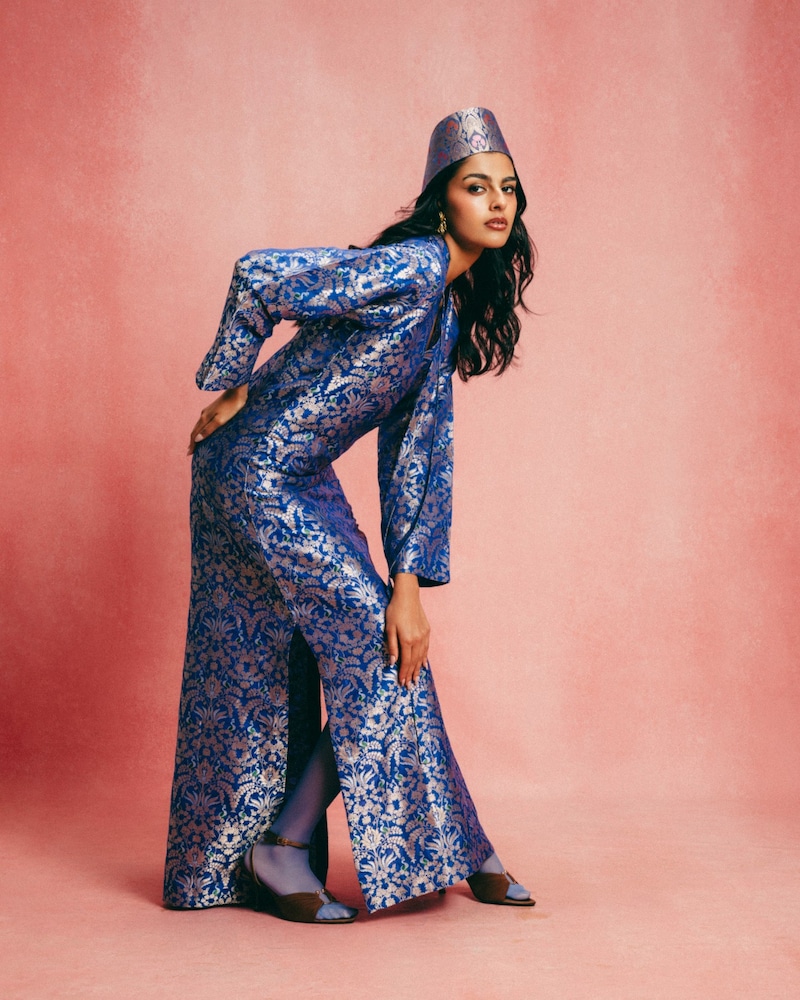
Archiving, then, becomes the heart of creation for the brand. “Archives can act as a strong reference point, but they can also become the starting point for something entirely new,” she says. “Every time we revisit them, there’s an opportunity to look at them differently.”
In Ekaya’s work, traditional Banarasi motifs and weaving techniques remain intact, while experimentation unfolds around them through texture, wearability, and cultural references that stretch far beyond India. French-inspired florals and oriental influences find their way into the Ekaya vocabulary, coexisting effortlessly with centuries-old weaving traditions.
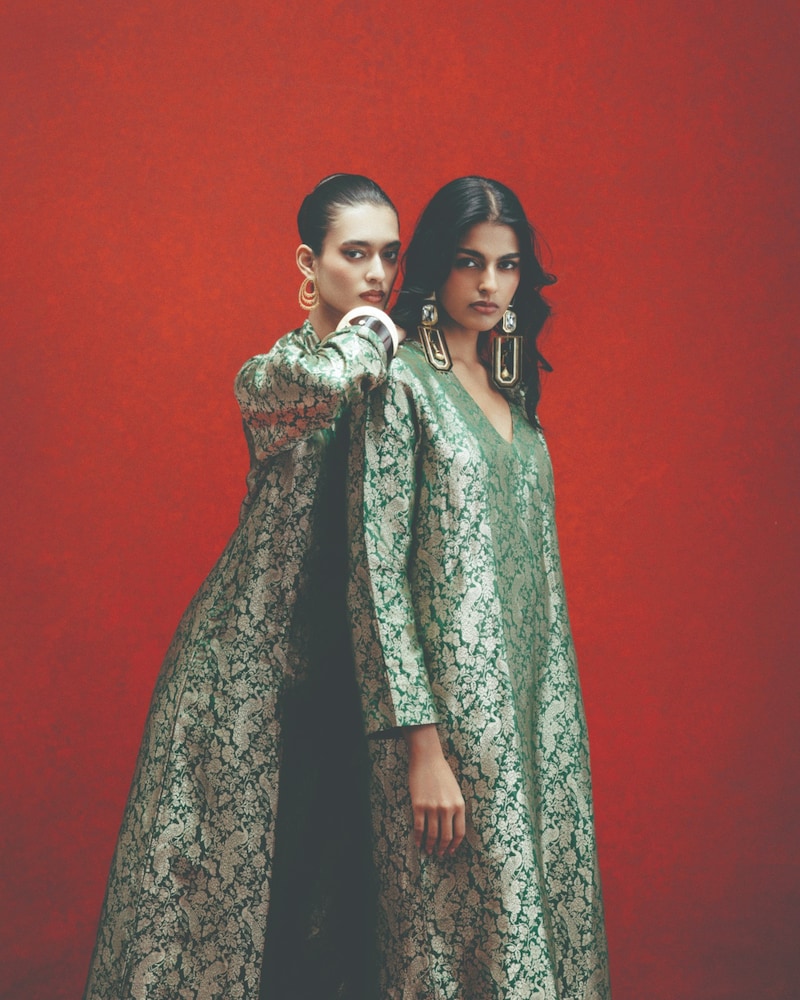
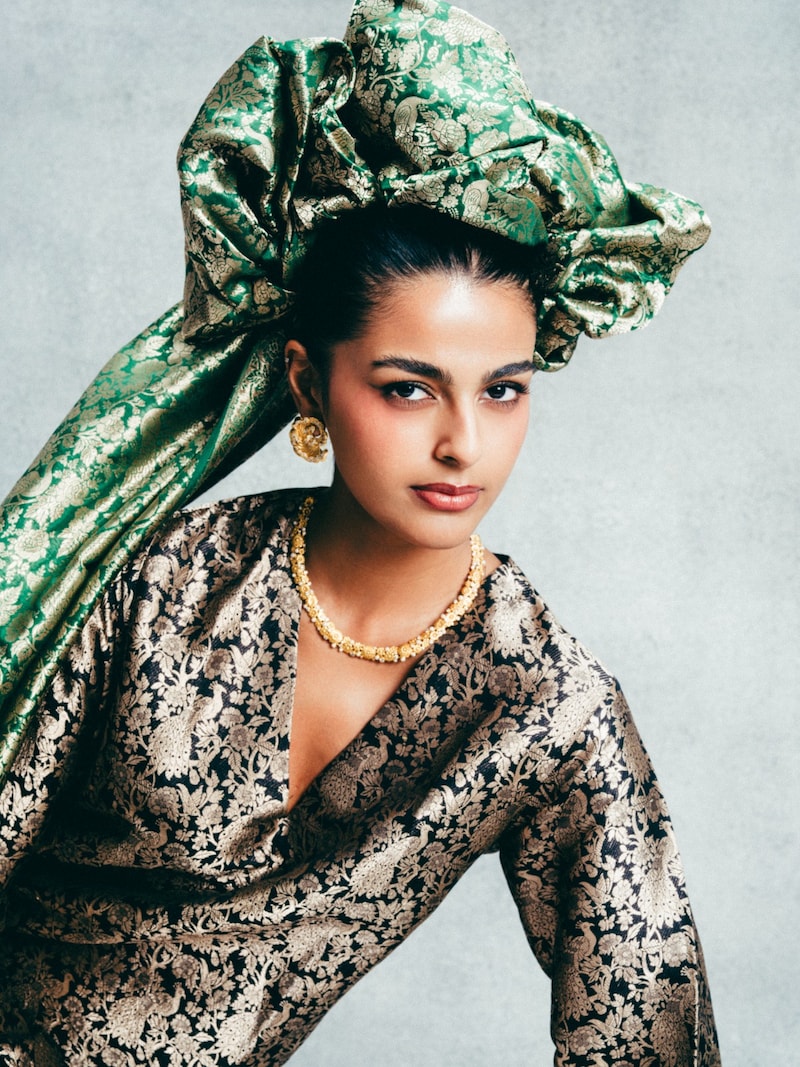
“We want people to connect with these textiles emotionally, not feel intimidated by them.”
It is this willingness to let Banarasi exist outside rigid definitions that makes the brand feel particularly relevant today. Shah approaches textiles with both precision and playfulness. “For me, textiles are really a playground for creativity,” she says. “There’s a lot of research and experimentation involved, but also a sense of instinct and fun, and that balance is what helps everything come together naturally.”
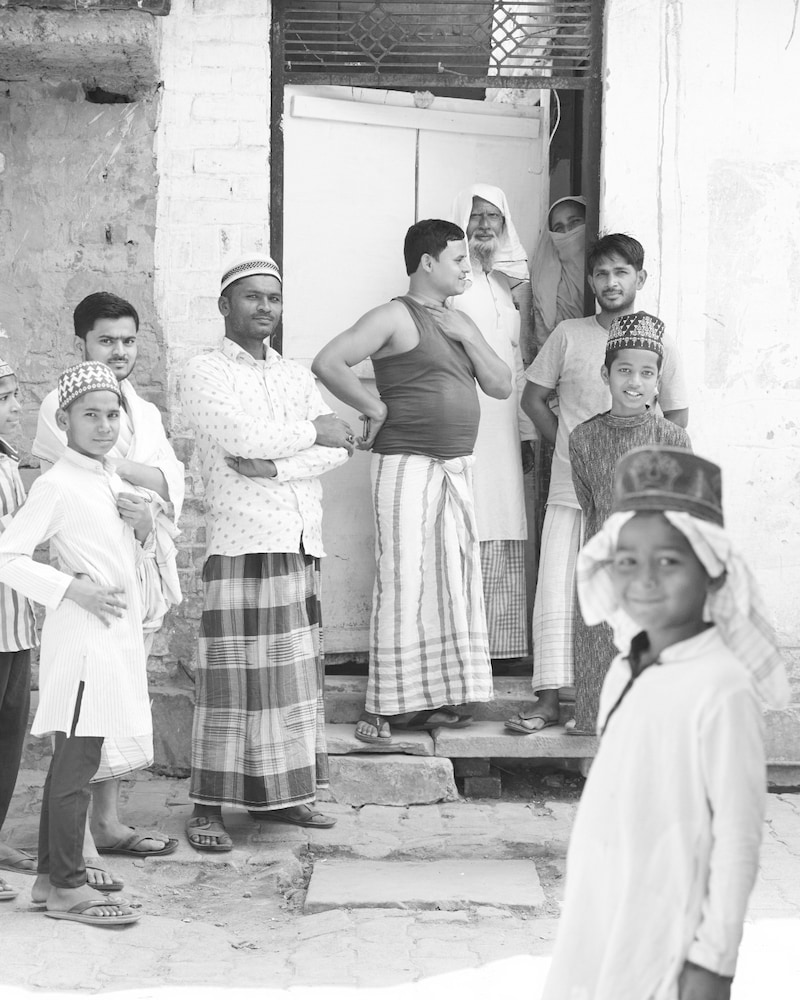
Beneath this experimentation lies something deeply emotional. Shah often returns to the idea of family, not just her own, but the ecosystem of weavers, artisans, and relationships that have shaped the brand over generations. “These textiles are deeply personal,” she reflects. “There’s a real sense of family, trust, and emotional connection behind every piece.”
That emotional intimacy also informs how she views innovation. In an industry where craft is often caught between the binaries of authenticity and modernity, Shah resists the idea that evolution must come at the cost of essence. “It’s only when you truly know a craft that you can innovate without losing its essence,” she says.
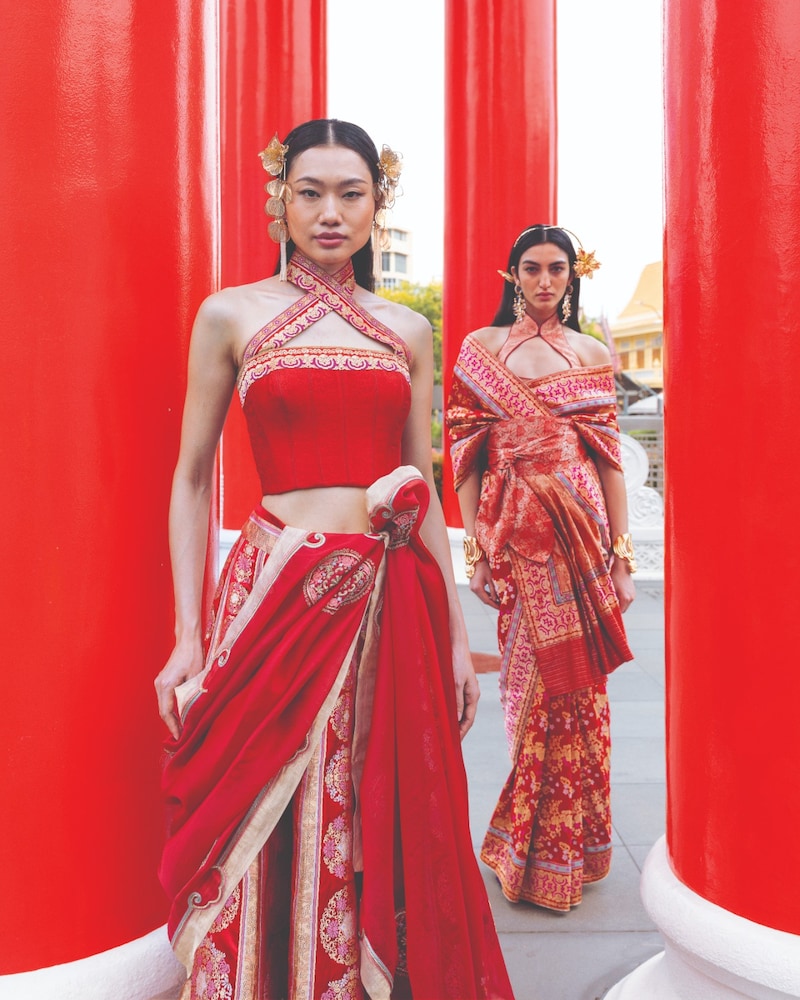
Changing the perception of the saree begins with changing the contexts in which people encounter it. Shah envisions Banarasi occupying a far more expansive space. “A future-facing Banarasi is the original Banarasi, intact with its motifs, silk, and zari – but styled in a way that feels like it belongs everywhere. I would love to leave behind the thought that Banarasi is only traditional, occasion-led, or dated,” Shah says. “I think it’s the future.”
Perhaps that is why Ekaya’s compelling vision for the future of Banarasi resonates with the modern wearer. It presents the textile not as a relic of the past but as something alive, adaptive, and entirely future-facing.